Baby Hub


Why Does My Baby Click, Cough, or Pull Off the Bottle During Feeds?
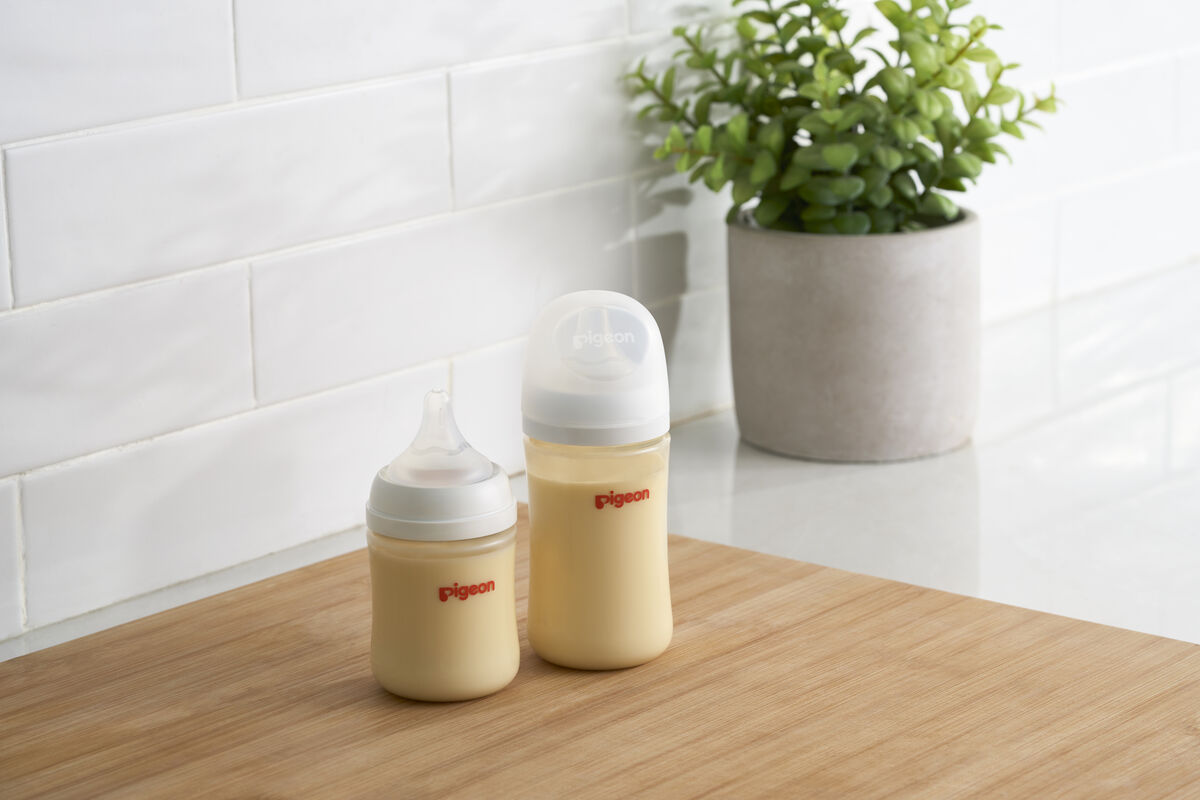
A clicking sound, a cough, a sudden pull away from the teat. These feeding noises can feel alarming, but most of them trace back to three things: oral seal, teat response and air intake. Here's how to tell what's normal and what your bottle can do about it.
Learn more
What Does Your Newborn Actually Need for Bottle Feeding?
Baby registries can make newborn feeding feel like it needs a dozen products. It really comes down to four things: latch, flow, stamina and comfort. Here's what actually matters in the first weeks, and how to build a bundle around it.
Learn more
How Do You Know When Your Baby Is Ready for the Next Bottle Stage?
Wondering if your baby is ready to move up a bottle stage? Age is only a starting point. Here are the behavioural cues parents can actually watch for, and how the SofTouch™ Step Up Range supports the shift from nursing to independent sipping.
Learn more
When Should You Introduce a Teether (And Which Ones Actually Help)?
Teething starts earlier than most parents expect, and the teether you choose matters more than you might think. Here is what to look for, when to introduce one, and how it supports your baby's oral development.
Learn more
Stop Overcleaning Your Baby's Bottle (And What to Do Instead)
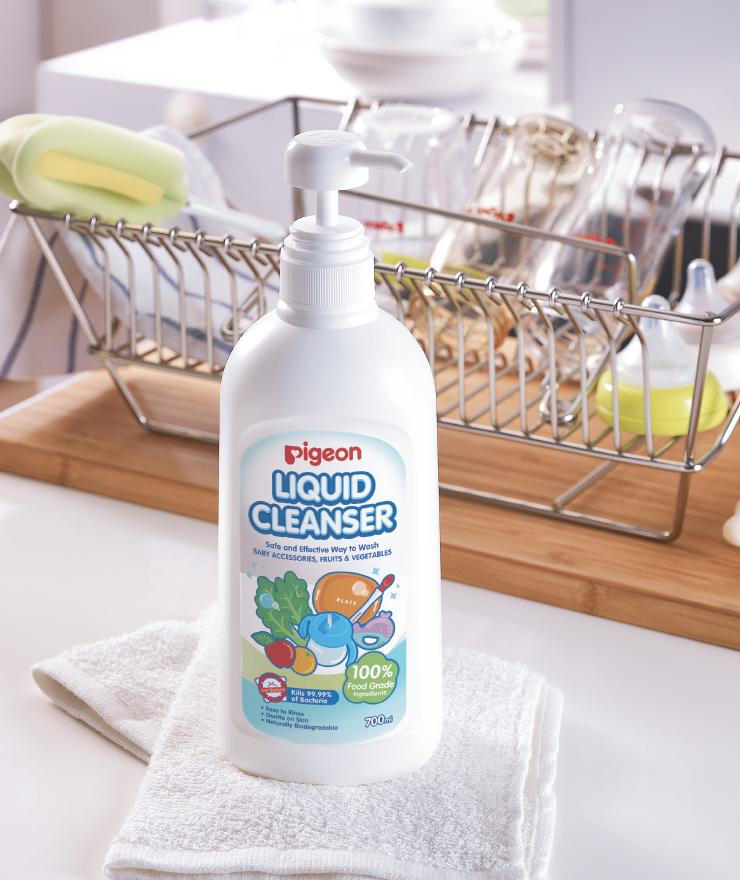
Hygiene matters, but so does knowing when enough is enough. Learn how to clean baby products correctly without overdoing it, and why the cleanser you choose matters more than how often you sterilise.
Learn more
Why Some Newborns Struggle With Bottles (Even the “Good” Ones)
Your newborn is coughing, fussing, or falling asleep mid-feed. You've tried everything. Here's the thing: it's probably not the bottle, and it's definitely not you. Find out what's really going on behind those early feeding struggles.
Learn more
Why Zinc-Free Matters for Newborn Skincare
"Just use zinc cream" is the advice every new parent hears. But newborn skin is thinner, more absorbent and still developing its own barrier. Here's why a heavy paste at every nappy change isn't always the answer, and what to look for instead.
Learn more
This is why the design of a first straw drinking cup matters
Discover why drinking is a learned motor skill, how readiness differs from age milestones, and how proper cup design supports oral development.
Learn more
How Early Baby Products Shape Long-Term Habits
Learn how early baby products shape long-term habits across feeding, drinking, oral care and skin care, and why thoughtful design supports comfort and independence.
Learn more