Understanding the Unique Needs of Babies with Special Needs
Babies with special needs often face a variety of feeding challenges that can impact their growth and development. These challenges may include:
- Prematurity: Premature infants often have underdeveloped sucking and swallowing reflexes, making it difficult to coordinate feeding. They may also have difficulty regulating their intake and may require specialised small-volume, slow-flow bottle feeding techniques.
- Cleft Lip and Palate: Infants with cleft lip and palate may struggle to create a seal around the nipple, leading to inefficient feeding and increased risk of aspiration. They may benefit from specialised bottles with specific nipple shapes and flow rates.
- Neurological Disorders: Neurological disorders such as cerebral palsy, down syndrome, or other developmental delays can affect muscle tone, coordination, and sensory processing, impacting feeding skills. These infants may have difficulty sucking, swallowing, or coordinating these actions.
- Gastrointestinal Issues: Conditions like reflux, gastroparesis, or food allergies can cause feeding difficulties and discomfort. These infants may require special formulas, thickened feeds, or specific feeding techniques.
Key Features to Look For in a Special Needs Bottle
When selecting a bottle for a baby with special needs, consider the following key features:
- Slow-Flow Nipples: Slow-flow nipples are essential for infants with weak sucking reflexes. They allow for controlled feeding, reducing the risk of choking and overfeeding.
- Anti-Colic Features: Anti-colic bottles can help reduce gas and colic by venting air away from the baby's tummy. This can be particularly beneficial for infants with sensitive digestive systems.
- Easy-to-Clean Design: Easy-to-clean bottles are crucial for maintaining hygiene and preventing the spread of bacteria. Opt for bottles with simple, removable parts that can be sterilised easily.
- Ergonomic Design: An ergonomic design can make it easier for caregivers to hold and feed the baby, especially during long feeding sessions.
- Variety of Flow Rates: Different flow rates can accommodate your baby's changing needs as it grows and develops.
Premature Babies

“Teat perfection - Hands down this is our 'Go to' teat for all little mouths. As Foster Carers of 18 years for newborn and premature babies, this teat works. From the most tiniest of mouths or trickiest palate.”
Cleft Lip and Palate
These specialised bottles and teats are designed to help infants with cleft lip and palate create a better seal and direct the milk flow towards the back of the throat, reducing the risk of aspiration.
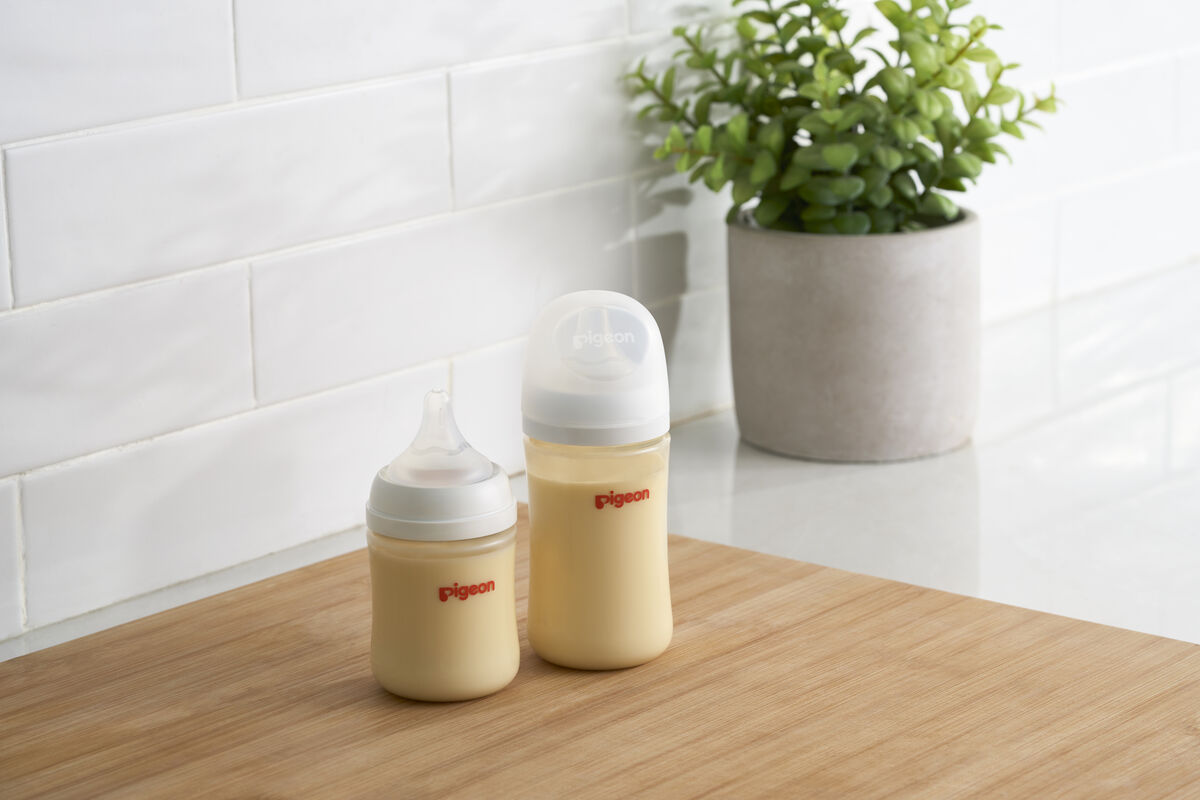
Cleft Palette Baby Bottle: The Pigeon Cleft Palate Soft Bottle is specifically designed to assist babies with cleft palate. Its ergonomic shape and specialised teat make feeding easier and more comfortable. The bottle's unique design allows for controlled milk flow and prevents liquid from entering the nasal cavity.
Cleft Palate Teat: Our Cleft Palate Teat is specially designed for infants with cleft lip and palate. Its unique shape and variable flow rate ensure safe and efficient feeding, reducing the risk of aspiration and promoting healthy development. Our reviewer, Kylie, wrote about this product, saying:
“Great item—I brought these teats for my son who was born with a soft cleft palate, and he took to it straight away. Also, they will fit in a slim pigeon bottle.”
Neurological Disorders
Neurological conditions like cerebral palsy, down syndrome, or other developmental delays can impact muscle tone, coordination, and sensory processing, making feeding challenging. These infants may struggle with sucking, swallowing, or synchronising these movements.
Consider using feeding products designed for premature babies, as they often face similar challenges in terms of muscle control and feeding coordination.
Try our Pigeon Softouch Peristaltic Nipples: These soft silicone nipples mimic the natural movement of a breast, making them ideal for babies who have difficulty latching onto a bottle.
The Role of a Feeding Therapist

A feeding therapist can play a crucial role in assessing your baby's feeding skills, identifying any underlying issues, and providing personalised recommendations. They can teach you specific feeding techniques, such as positioning, pacing, and nipple selection, to optimise your baby's feeding experience. It's important to consult with your pediatrician or a feeding therapist to determine the best bottle and feeding techniques for your child's specific needs.
Remember, every baby is unique. What works for one baby may not work for another. If you’re interested in this topic and want to learn more about different feeding options and techniques, check out our blog: How air-vented bottles can help a fussy feeder. With patience, persistence, and the right tools, you can make feeding time a positive experience for both you and your baby.