Is Your Baby’s Cup Helping or Hindering Their Oral Development?
Learn from Speech & Feeding Therapist Dr Lisa Lim how straw drinking supports your baby’s oral development, and why the Pigeon StarTouch™ Cup makes the difference.


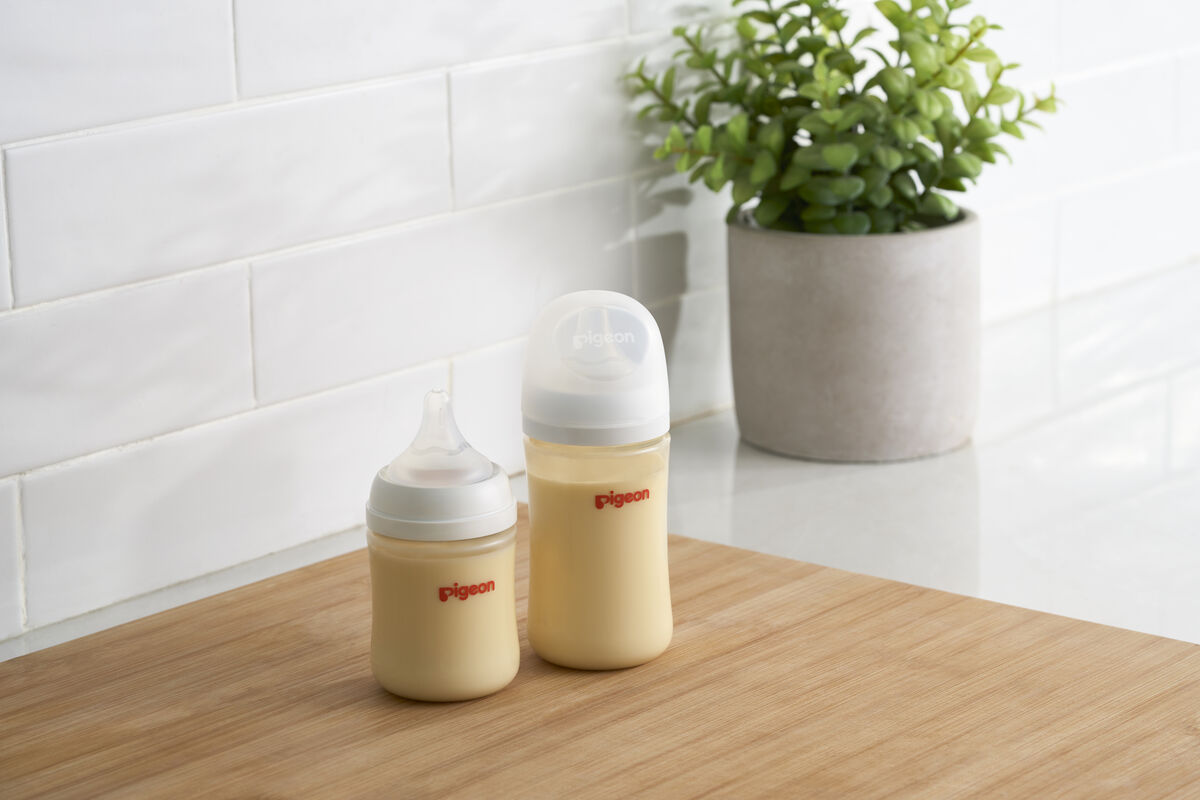
Pigeon offers an extensive range of essential bottles & teats to support expressed breast milk or formula fed babies. Our bottles are specially designed for gentle grip and all teats feature a unique venting system to adjust air pressure inside the bottle to help reduce colic in babies.
The Pigeon range of bottles & teats are the result of over 70 years of in-depth design and research in conjunction with paediatricians, paediatric nurses, maternity staff and thousands of babies and their families.
The best baby bottle to choose usually comes down to personal choice and your baby’s preference, but there are influences.

Pigeon SofTouch™ bottles and teats are recognised by their wide neck and offers the most natural feeding - through a bottle. This range is generally recommended when:

Love the Pigeon glass bottles. Feels like the safest option for my baby. Do prefer the taller/more narrow design of the previous model as this one has a more accentuated curve at the top making it easier for milk residue to collect but honestly still a great option - would recommend.
Tougher plastic and feels much sturdier to go into the UV steriliser.
There are six different teat sizes, ranging from newborn to toddler, so there will always be the right one for your baby.
Newborn
From 1 month
From 3 months
From 6 months
From 9 months
From 15 months


Pigeon Flexible™ bottles and teats are recognised by their slim neck. This range is more traditional in shape and the best baby bottle to use when:


For use with Flexible ™ Bottles is the Flexible™ Peristaltic Teat.
This teat is a silicone bottle teat with double thickness silicone to ensure ideal softness and flexibility for latching on comfortably and easily.
Each teat also features a unique venting system to minimise swallowed air and help reduce colic.
Newborn
From 4 months
From 6 months
From 9 months


Common bottle-feeding habits with formula, breastmilk or mixed feeds that can affect comfort. Practical, evidence-based fixes for every stage
Learn more
Baby teeth might still be a way off, but your baby's oral care routine can start long before that first tooth appears. Here's what actually matters in these early months, and how it sets up healthy habits for later.
Learn more
Anti-colic bottles promise less fussing, but they only solve one specific problem: swallowed air. Here's how to tell if air intake is behind your baby's discomfort or if something else is going on.
Learn more
Your cart is currently empty.
Not sure where to start?
Try these collections: