
Congratulations! You've embarked on the incredible journey of parenthood. But amidst the snuggles and sleepless nights, a question arises: which bottle material will be your little champion's perfect match?
Why Material Matters: Safety First!
Your baby's health is your top priority, of course, and when it comes to choosing a bottle, the material matters significantly. Plastics can contain harmful chemicals like Bisphenol A (BPA) and Bisphenol S (BPS), which may disrupt their delicate hormonal development. These chemicals can leak into liquids, especially with heat exposure.
It’s important to educate yourself on the potential health risks and to ensure you choose a BPA-free baby bottle. Look for labels that say "BPA-free and BPS-free" for maximum peace of mind.
Beyond Material: Safe Habits for Happy Bellies
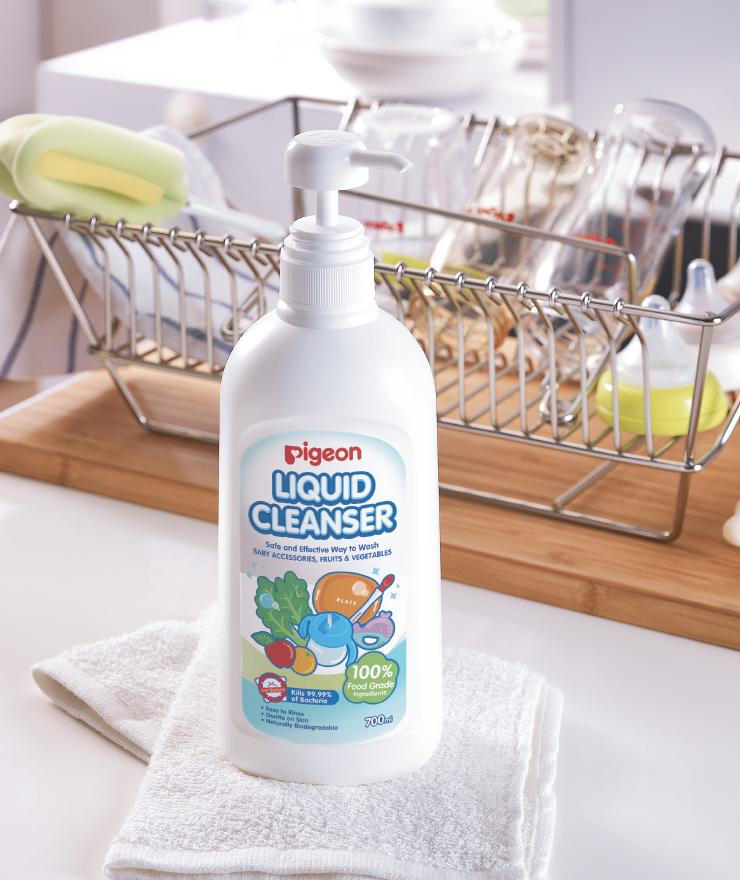
Choosing the right baby bottle material is just the first step. Here's why following safety guidelines and proper sterilisation techniques is crucial:

Now, let's explore the most common baby bottle materials to help you find the perfect fit for your little one's delicate needs.
Glass Baby Bottles are the classic choice, offering a pure, chemical-free experience. They’re easy to clean and don't leak flavours, making them great for both warm and cold milk. However, they can be heavy and prone to shattering, especially with clumsy little hands around. Consider a protective sleeve or opt for a different material if breakage is a concern.
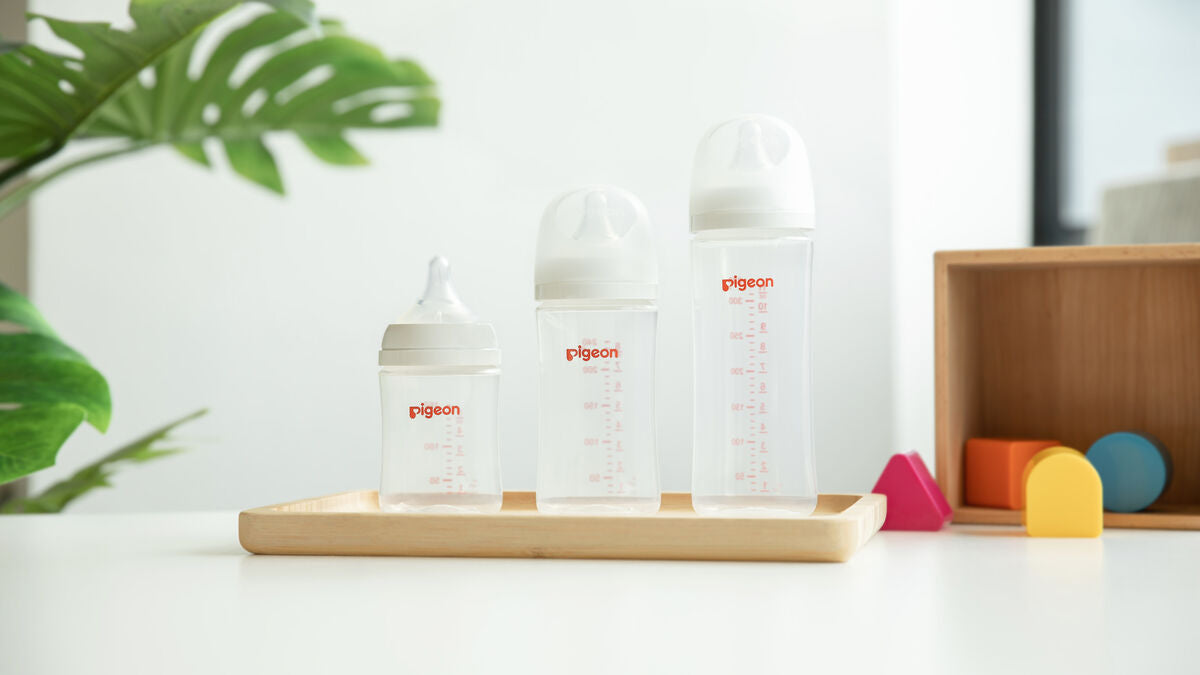
Plastic Baby Bottles are affordable, lightweight, and come in various sizes and designs. They are perfect for on-the-go feedings. However, some plastics can harbour bacteria if not cleaned properly. Look for high-quality, food-grade plastic bottles labelled "BPA-free and BPS-free." Avoid hot cars or direct sunlight for extended periods.
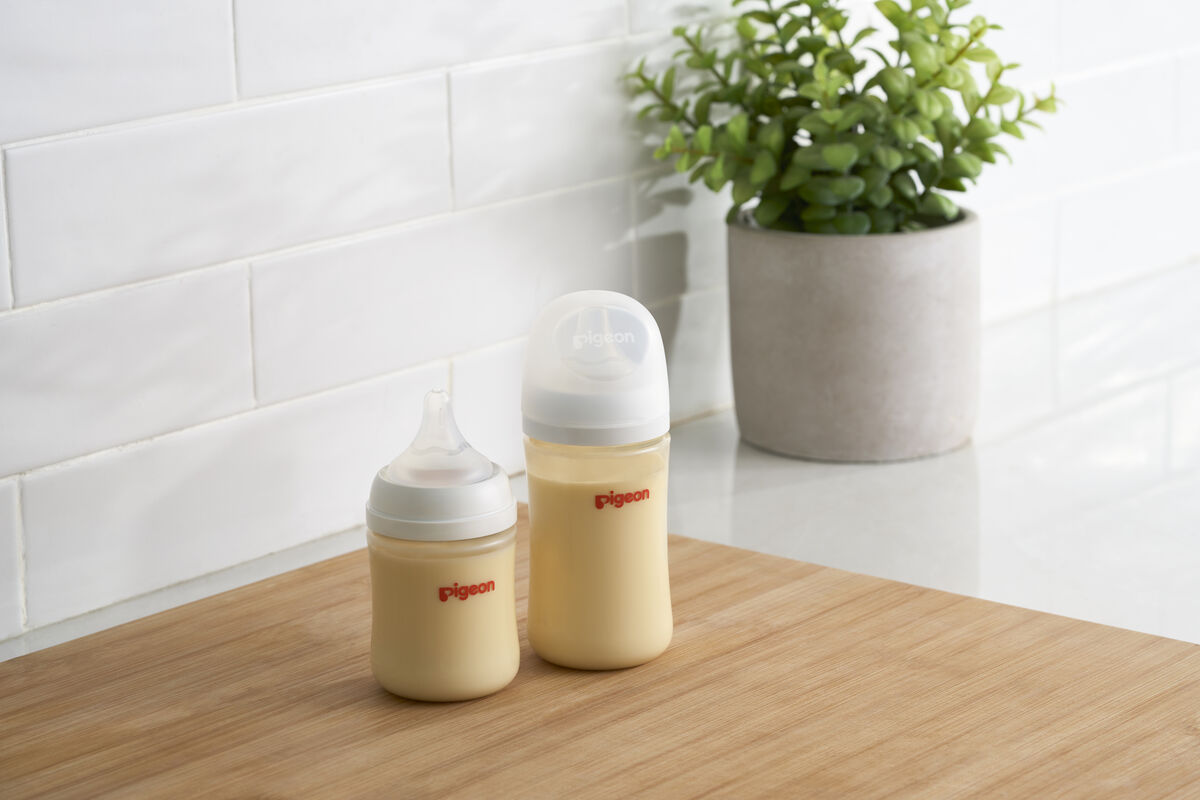
PPSU (Polyphenylsulfone) Baby Bottles are a newer option gaining popularity. They offer a balance between safety and functionality. PPSU is BPA-free and highly heat resistant, making it suitable for sterilisation and hot liquids. It's also lightweight and shatterproof, similar to plastic, but boasts better scratch resistance and durability. However, PPSU bottles can be more expensive than some other options.
PP (Polypropylene) Baby Bottles are another common plastic option known for being affordable and lightweight. They are BPA-free but may not be as heat resistant as other materials. Frequent sterilisation or exposure to hot liquids can degrade the plastic over time. While generally safe, consider replacing PP bottles more frequently to ensure optimal quality.
Stainless steel baby bottles are a durable and eco-friendly option that is built to last. They are virtually indestructible, don't leach chemicals, and offer excellent temperature control. However, they can be heavier than plastic and may leave a slight metallic taste (though some babies don't mind!) They can also be more expensive than other options.
Silicone Baby Bottles are soft and gentle on little gums, naturally BPA-free, and collapsible for easy storage. They are ideal for travel or transitioning from breast to bottle. However, they may not be ideal for very hot liquids and can be prone to staining from colourful drinks or juices. They may not be as durable as some other materials.

Finding the Perfect Bottle for Your Bundle of Joy
By considering these factors, the information above, and prioritising habits like proper sterilisation and cleaning, you can confidently navigate the world of safe baby bottles and find the perfect combination of material and routine to keep your little one happy and healthy. Remember, there's no one-size-fits-all answer, so don't be afraid to experiment and find what works best for you and your baby! For some more bottle-feeding advice and support, visit our baby bottle-feeding page.