Breast Care


Milk Saver Pump (Manual Breast Pump)

Manual Breast Pump


Natural Fit Nipple Shield 16-20mm


Nipple Puller


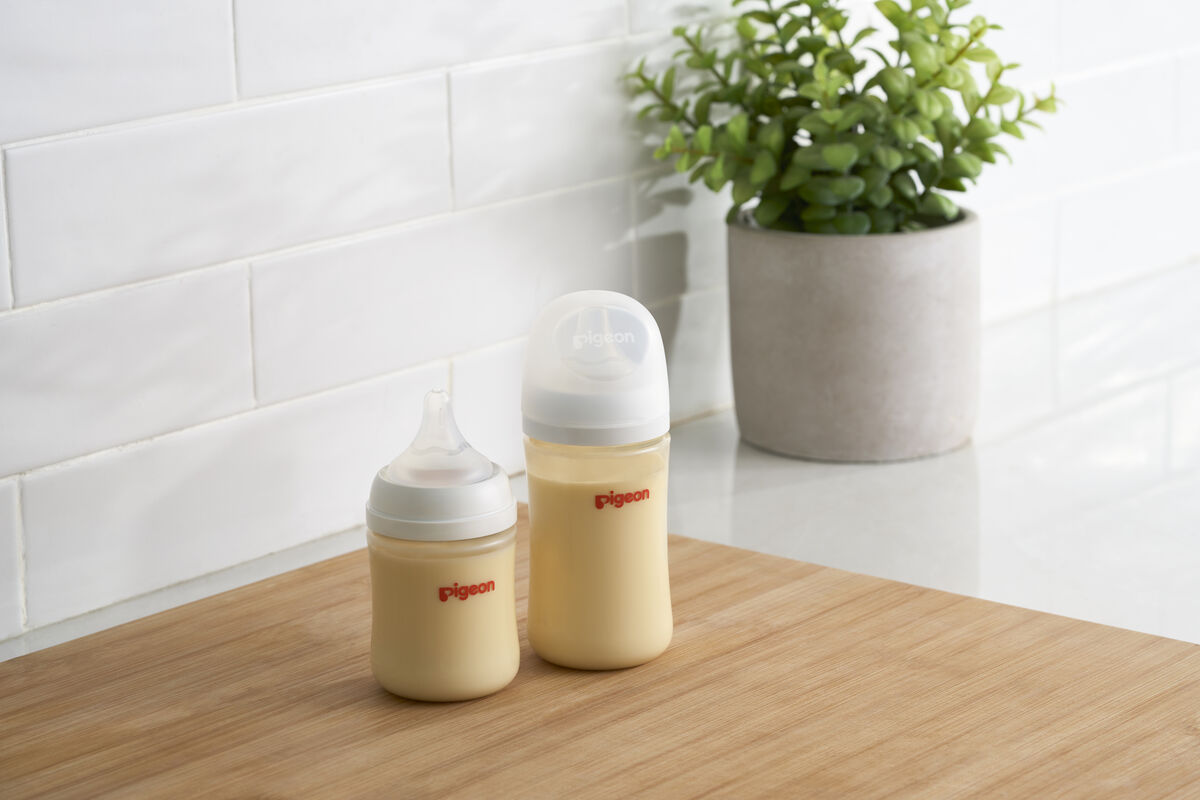
Breastmilk Storage Bottles (wide neck)


Breastmilk Storage Bags 25 Pack - Animals


Pigeon Breastmilk Storage Bag Clip


ComfyFeel™ Breast Pads 60 pack + 12 FREE
Breast Care
Pigeon Breast Pumps and Breastfeeding Accessories have been designed to the highest of standards and allow mothers to express their breast milk in the most comfortable way. The range includes both electric and manual breast pumps, as well as nursing pads and nipple support products. Breastmilk storage bags and bottles offer convenient storage of expressed milk.
[footer]
> Manual vs electric breast pumps - what is the difference?
A manual pump is much cheaper, but with it you will be doing a lot of the work yourself, and might not get as much milk as a result. On the other hand, an electric breast pump is more effective, but is also more expensive. Here is a breakdown between manual and electric breast pumps:
Manual Breast Pumps
A manual breast pump is hand operated and can only be used for one breast at a time. It requires the user to squeeze repeatedly to create the suction on the breast and express milk. Another benefit to selecting a manual unit is that they are a cheap breast pump when compared to an electric one, which makes them a good choice for mums with a budget that only need to express occasionally.
Electric Breast Pumps
An electric breast pump will do all the work for you, making them super easy and convenient to use. You can also opt for a double breast pump, which expresses milk from both breasts at the same time. An electric breast pump is a must-have for mums who express milk daily.
> How to clean a breast pump
Here at Pigeon, we recommend you should wash and sterilise the breast pump before using it for the first time and promptly after each use.
CAUTION
- Always dissemble the parts before washing and sterilising.
- For the electric pumps, do not wash or sterilise the motor, power adapter, USB power cord, and tube. Doing so may cause a malfunction. Please wipe with a dry cloth.
WASHING
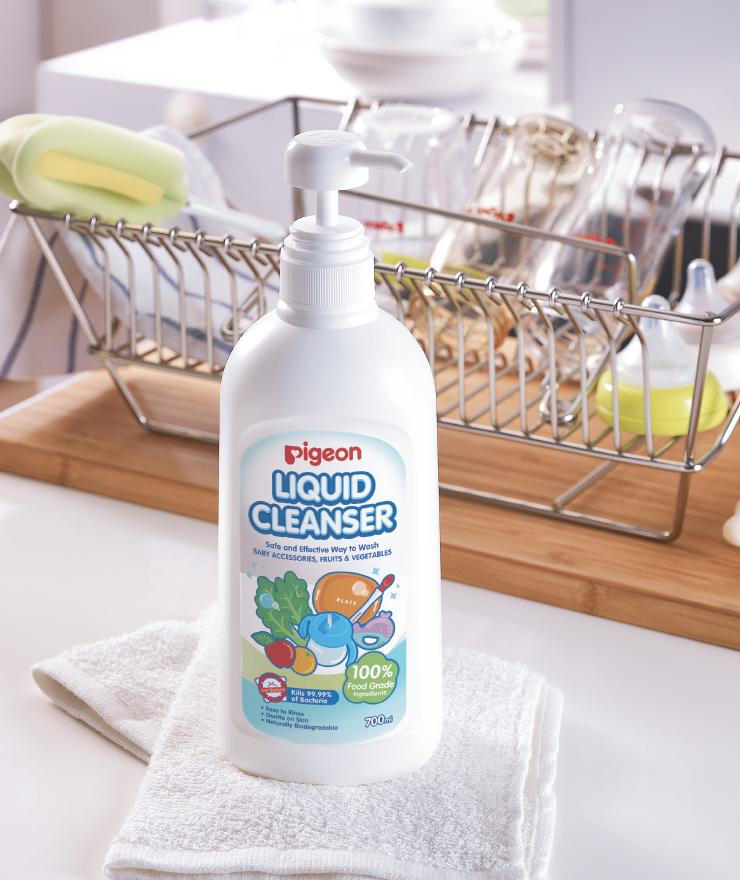
Wash the breast pump parts with Pigeon Liquid Cleanser using a soft brush and rinse in running water.
Parts made of silicone rubber may be damaged or scratched if they are handled roughly. Please handle with care.
STERILISATION
You can sterilise your breast pump using Pigeon Microwave Steriliser, or boiling for 5 minutes on a large pan filled with water. We do not recommend UV or a dishwasher/dryer as doing so may cause deformation on damage.
> Why would you use a breast pump?
It is most likely that you will need to use a breast pump to express milk from your breasts if:
- Your baby is not able to breastfeed;
- Your baby is not getting enough breast milk;
- Your breasts feel uncomfortably full;
- You will be separated from your baby regularly.
> Top breastfeeding accessories
Nipple shields
Pigeon Natural Fit Nipple Shields are an effective tool for successful breastfeeding and a solution to short term latch-on issues. The Pigeon Nipple Shields also help to relieve pain when the baby sucks and also protects against ‘teething toddlers’. Thin and soft in design, Pigeon Nipple Shields are suitable for flat or inverted nipples, sore or cracked nipples. The uniquely curved shape of the Pigeon Natural Fit Nipple Shield maximises skin to skin contact.
Breastmilk storage bags
Pre-sterilised and ready to use, Pigeon Breastmilk Storage Bags provide a sterile and convenient way to store expressed breast milk. With a clever design, Pigeon Breastmilk Storage Bags self-stand making the milk transfer between pump and bag easier, as well as upright store in the fridge or freezer - yes, it can also be frozen for longer term storage. The Pigeon Breastmilk Storage Bags come with a double zip closure to minimise the risk of any leaks, as well as a pour spout that allows spill free transfer of milk.
See our guide on the best breastfeeding accessories.
> How to clean an electric breast pump
Loved by Parents
Lulu
"Definitely a great drinking cup for daily use. It is compact, lightweight and easy to grip. The bright colours make it more appealing to the little one. I personally found it is easy to take apart and clean. So far we love it!"

Maddy
I bought it a month ago, seems to work fine. My babies skin is not red anymore. Feels good to use on my baby.

Bec G
"This bottle is great for my 9 month old. It’s light weight and he is able to independently drink from the bottle. The weighted straw makes it easy for him to drink from all angles."

Phil
"I’m a big fan of the liquid cleanser, so I thought I’d give this baby bottle spray a try. It works really well for quick cleans and wipe-downs. Just like the cleanser, it doesn’t leave any chemical smell, and you don’t have to spend ages wiping to make sure everything’s clean."

Love this teat!!!!
"I bought this tonight for my 5 mo after trying 5 other brands of bottles and at my wits end. The teat was exactly what I was looking for and he didn’t resist it being given as much as he would the others. Cannot wait to try more and hopefully transition!!! Thank you!"


Learn with Pigeon
Discover Learn with Pigeon, a helpful hub for product guidance, how-to videos and expert-backed advice.
Everything here is designed to support your baby’s feeding and care journey with clarity, confidence and comfort.

Baby Shower Gift Ideas: The One Box That’s Got You Covered
Whether you’re a new parent or the aunty with no idea what to buy, the Pigeon Gift Box has it covered. 13 baby essentials in one box, ready to give
Learn more
5 Bottle-Feeding Mistakes Parents Don't Realise They Make
Common bottle-feeding habits with formula, breastmilk or mixed feeds that can affect comfort. Practical, evidence-based fixes for every stage
Learn more
Do Babies Need Oral Care Before Their First Tooth?
Baby teeth might still be a way off, but your baby's oral care routine can start long before that first tooth appears. Here's what actually matters in these early months, and how it sets up healthy habits for later.
Learn more