Teats


Flexible™ Peristaltic Teat S 2pcs


Flexible™ Peristaltic Teat M 2pcs


Flexible™ Peristaltic Teat Y 2pcs


Flexible™ Peristaltic Teat L 2pcs


Flexible™ Peristaltic Teat LL 2pcs


SOFTOUCH BPP PERISTALTIC PLUS TEAT SS 1PCS


SofTouch BPP Peristaltic Plus Teat S 2PCS


SofTouch BPP Perustaltic PLUS TEAT M 2PCS


SofTouch BPP Peristaltic PLUS Teat L 2PCS


SofTouch™ Peristaltic PLUS Teat LL 2PCS


SofTouch™ BPP Peristaltic PLUS Teat LLL 2pcs

Cleft Palate Silicone Teat - Small

Cleft Palate Silicone Teat - Regular
Teats
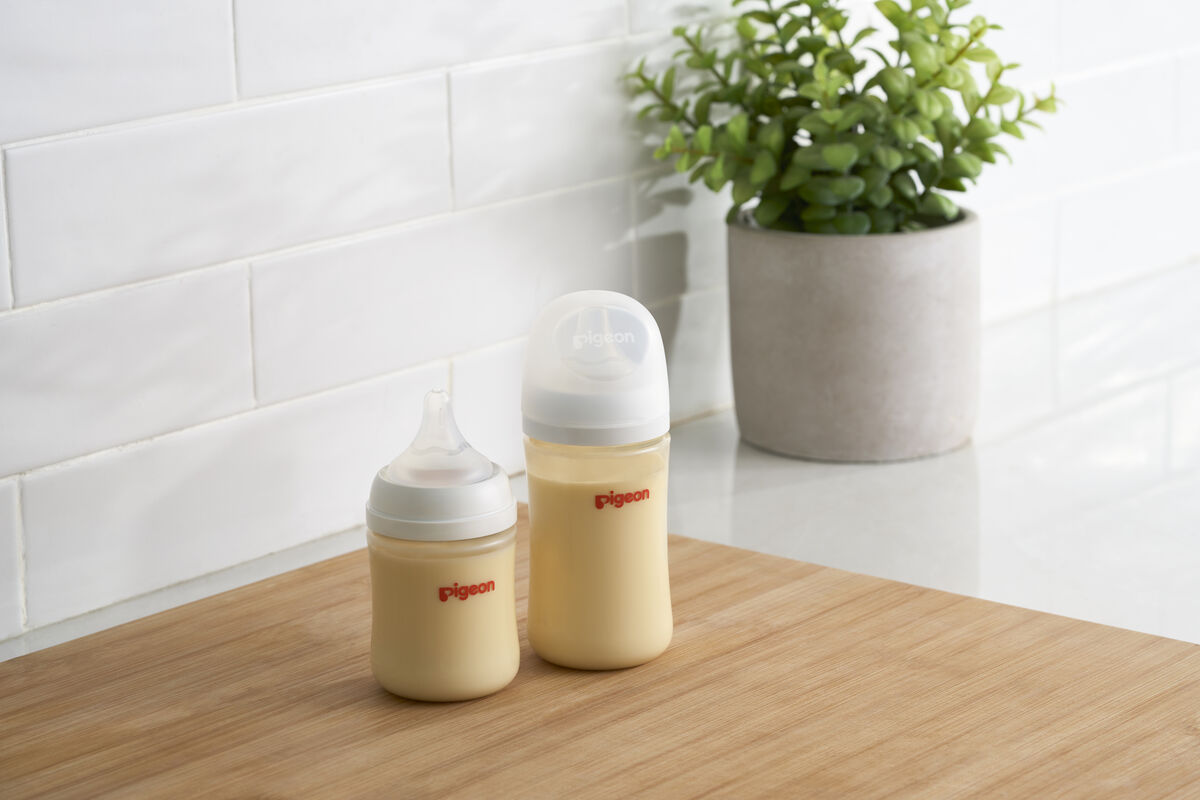
Pigeon baby bottle teats are designed to mimic the natural shape and feel of a mother's breast, making the transition between breastfeeding and bottle feeding easier and more comfortable for your baby. Available in both wide-neck and slim-neck designs, our teats feature soft, medical-grade silicone that's gentle on your baby's delicate mouth and gums.
From newborn-friendly slow-flow teats to faster-flow options for older babies and toddlers, Pigeon offers a range of teat sizes and flow rates to match your baby's age, development stage, and feeding needs. Our teats are designed with anti-colic venting to reduce swallowed air and minimise gas, fussiness, and discomfort during feeds.
All Pigeon teats are BPA and BPS-free, safe for both breastmilk and formula, and trusted by parents and health professionals. Whether you're looking to replace worn teats, try a different flow rate, or find the perfect fit for your little one, you'll find everything you need here.
FAQs about Teats

- Slow flow (SS, S): For newborns (0–3 months) and babies building their sucking strength
- Medium flow (M): For babies 3–6 months old as they become more efficient feeders
- Fast flow (L, LL, LLL): For older babies and toddlers (6+ months) with stronger sucking power
- Variable flow (Y-cut): Adapts to your baby's sucking rhythm for flexible feeding
The key is to watch your baby's cues. If they're taking too long to feed or seem frustrated, you may need a faster flow. If they're choking or gulping, switch to a slower flow. Always observe your baby rather than relying solely on age guidelines.
Flexible teats are designed for slim-neck bottles and offer the same soft silicone comfort in a more compact design. Both ranges include anti-colic venting to reduce air intake and gas.
Your choice depends on your bottle type and personal preference. Both are equally trusted by parents for supporting natural, comfortable feeding.
- Taking too long to feed: Feeds lasting 20–30 minutes or longer may indicate a flow that's too slow
- Seems frustrated or distracted: Your baby may be working too hard to get milk
- Choking, gulping, or milk dribbling: These signs suggest the flow is too fast
- Age and development: As your baby grows, their sucking strength increases naturally
Start with slow-flow teats for newborns and progress only when your baby shows these signs. Every baby is different, so progress at your baby's pace, not by calendar age alone.
To further reduce colic and gas:
- Choose a teat flow appropriate for your baby's age (slow for newborns, faster only when ready)
- Hold your baby in a semi-upright position during feeds
- Pace feeds and take breaks for burping
- Avoid overfeeding and ensure proper latch
- Consider switching teats if your baby seems uncomfortable after feeds
If colic persists despite these changes, consult your healthcare professional.
- Discolouration or cloudiness
- Thinning or worn silicone
- Cracks or damage
- Sticky or tacky texture
- Changes in milk flow (too fast or too slow)
- Signs of leakage or poor seal
Regular replacement ensures hygiene, consistent feeding, and safe use. Worn teats can harbour bacteria and affect your baby's feeding experience.
Our soft, breast-like teat design is particularly supportive for babies transitioning between breastfeeding and bottle feeding, helping reduce nipple confusion and supporting natural sucking patterns whether feeding breastmilk or formula.
- Soft, breast-like silicone: Mimics natural breast texture for comfortable latching
- Anti-colic venting: Built-in air flow system reduces swallowed air and gas
- Anatomical shape: Designed to support natural sucking motions and proper tongue positioning
- Multiple sizes and flow rates: Options for every age and feeding stage from newborn to toddler
- Safety certified: BPA/BPS-free and meets strict international safety standards
- Trusted by health professionals: Recommended by paediatricians and lactation consultants
Many parents find Pigeon teats work when other brands haven't, particularly for picky feeders or babies struggling with colic.
- Wide-neck teats (SofTouch range) fit all wide-neck Pigeon bottles
- Slim-neck teats (Flexible range) fit all slim-neck Pigeon bottles
You can mix and match sizes within each range—for example, use an S-size teat with a 160ml bottle and an L-size with a 240ml bottle. This flexibility lets you customise your feeding setup as your baby grows.
For specific compatibility questions or to build your perfect bottle setup, explore our Build Your Own Bottle (BYOB) service.
Loved by Parents
Lulu
"Definitely a great drinking cup for daily use. It is compact, lightweight and easy to grip. The bright colours make it more appealing to the little one. I personally found it is easy to take apart and clean. So far we love it!"

Maddy
I bought it a month ago, seems to work fine. My babies skin is not red anymore. Feels good to use on my baby.

Bec G
"This bottle is great for my 9 month old. It’s light weight and he is able to independently drink from the bottle. The weighted straw makes it easy for him to drink from all angles."

Phil
"I’m a big fan of the liquid cleanser, so I thought I’d give this baby bottle spray a try. It works really well for quick cleans and wipe-downs. Just like the cleanser, it doesn’t leave any chemical smell, and you don’t have to spend ages wiping to make sure everything’s clean."

Love this teat!!!!
"I bought this tonight for my 5 mo after trying 5 other brands of bottles and at my wits end. The teat was exactly what I was looking for and he didn’t resist it being given as much as he would the others. Cannot wait to try more and hopefully transition!!! Thank you!"


Learn with Pigeon
Discover Learn with Pigeon, a helpful hub for product guidance, how-to videos and expert-backed advice.
Everything here is designed to support your baby’s feeding and care journey with clarity, confidence and comfort.

5 Bottle-Feeding Mistakes Parents Don't Realise They Make
Common bottle-feeding habits with formula, breastmilk or mixed feeds that can affect comfort. Practical, evidence-based fixes for every stage
Learn more
Do Babies Need Oral Care Before Their First Tooth?
Baby teeth might still be a way off, but your baby's oral care routine can start long before that first tooth appears. Here's what actually matters in these early months, and how it sets up healthy habits for later.
Learn more
Why Isn't My Anti-Colic Bottle Working?
Anti-colic bottles promise less fussing, but they only solve one specific problem: swallowed air. Here's how to tell if air intake is behind your baby's discomfort or if something else is going on.
Learn more