Here at Pigeon, we understand how easy it is to view drinking from a cup as just another milestone to tick off. Six months arrives, solids begin, and the question naturally follows: “Should my baby be using a cup yet?”
But drinking is not simply a milestone tied to age. It is a learned motor skill that develops progressively over time. Just like crawling or walking, drinking requires coordination, strength and practice. Understanding this shift, from milestone to skill progression, helps parents focus less on timing and more on readiness, confidence and support.
Milestone vs Skill: Why the Distinction Matters
A milestone is often seen as something achieved at a certain age. A skill, however, develops gradually through repetition and experience.
When it comes to drinking, babies are not born knowing how to drink from a straw or cup. They are born with reflexive sucking patterns that support breastfeeding or bottle feeding. Drinking from a cup requires voluntary control of the lips, tongue, jaw and breath.
Framing drinking as a skill helps parents understand:
-
Why spills and coughing are part of learning
-
Why readiness matters more than age
-
Why practice and repetition are essential
Rather than asking “Is my baby old enough?”, the more helpful question is “Is my baby ready to begin practising this skill?”
The Oral Motor Skills Behind Drinking
Drinking from a cup, particularly a straw, requires coordinated movement between multiple oral structures.
To drink effectively, a baby must:
-
Seal the lips around the straw or cup edge
-
Elevate and stabilise the tongue
-
Control jaw movement
-
Coordinate swallowing with breathing
-
Regulate liquid flow
These actions occur in sequence. This process, known as motor sequencing, strengthens oral muscles used not only for drinking but also for chewing and speech.
This is why the design of a first drinking cup matters.
Signs Your Baby Is Ready to Practise Drinking Skills
Readiness is not defined solely by age. Many babies begin exploring drinking skills from around six months, alongside solids, but progression varies.
Signs of readiness may include:
-
Sitting with support
-
Showing interest in cups
-
Bringing objects to the mouth
-
Demonstrating improved head and neck control
-
Coordinating swallowing during solids
Early attempts may look messy. That is expected. Drinking is learned through practice, not perfection.
Drinking Progression: From Bottle to Straw
The transition from bottle to straw does not need to be abrupt. In fact, gradual progression often supports smoother skill development.
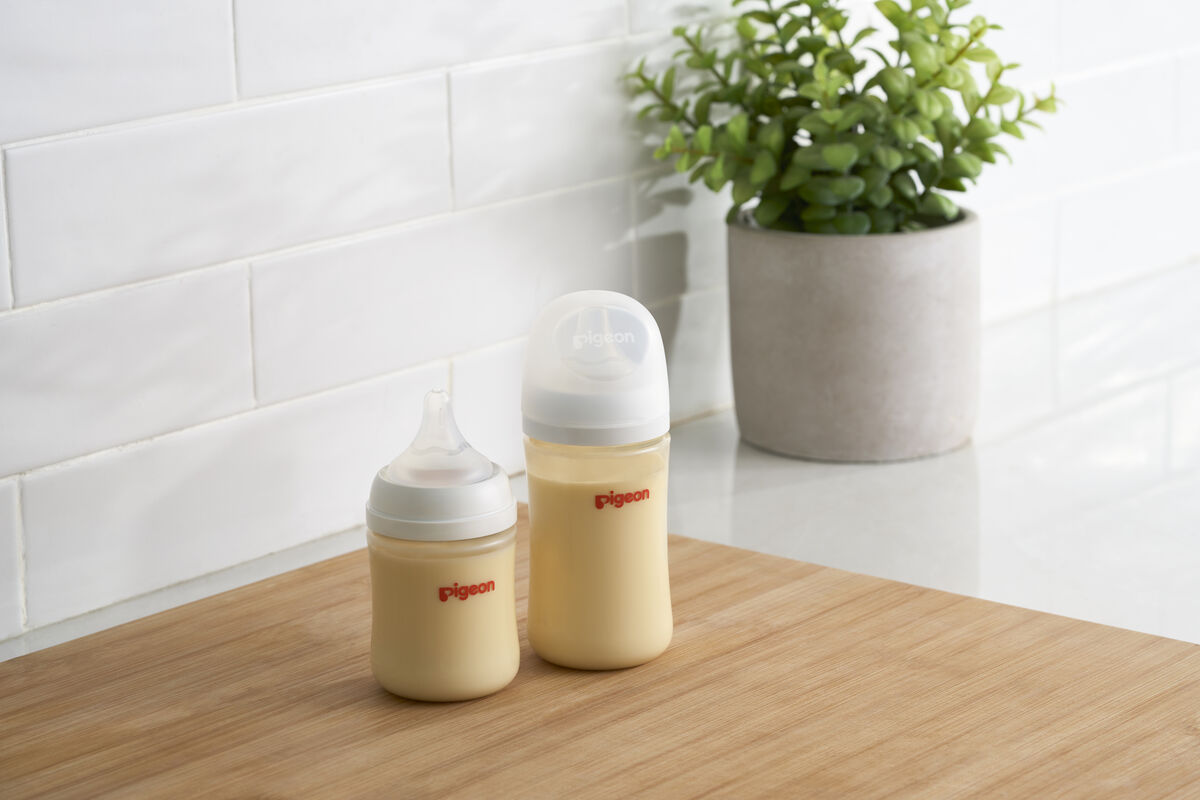
This is where the StarTouch™ Adapter + Straw Set can play an important role. The adapter allows parents to transition from a bottle their baby is already familiar with, into straw drinking, without completely changing the drinking experience overnight.
Because babies are already comfortable with the bottle base and familiar structure, adding the straw adapter helps:
-
Reduce resistance to change
-
Build confidence gradually
-
Encourage skill progression without disrupting routine
Skill development is often easier when one variable changes at a time.
Why Proper Cup Design Supports Skill Development
Not all cups encourage active participation. Some allow liquid to flow with minimal effort, reducing the need for coordinated oral control.
Developmentally supportive cups:
-
Require active suction
-
Encourage lip sealing
-
Support correct tongue positioning
-
Provide controlled flow
StarTouch™ Drinking Cups are designed to encourage active drinking rather than passive sipping. The short straw reaches only the tip of the tongue, encouraging correct mature swallowing pattern. The EasyDrink Valve allows controlled flow, so babies regulate intake rather than being overwhelmed.
Subtle sensory bumps guide lip placement, supporting muscle engagement around the mouth to promotes lip rounding and closure at the straw tip.
These design elements support drinking as a skill, not just a milestone.

Why Age-Based Expectations Can Create Unnecessary Pressure
Parents often feel pressure when milestones are framed around specific ages. But developmental skills progress along a range.
Some babies master straw drinking quickly. Others need more time and practice. Rushing transitions can sometimes create frustration or resistance.
Focusing on skill progression rather than age allows parents to:
-
Follow baby’s cues
-
Reduce comparison
-
Encourage confident exploration
The goal is coordinated, comfortable drinking—not speed.
Long-Term Benefits of Viewing Drinking as a Skill
When drinking is treated as a developmental process, it supports:
-
Better oral muscle strength
-
Improved swallow coordination
-
Smoother transitions to open cups
-
Increased independence
-
Reduced frustration during transitions
Small, repeated opportunities to practise active drinking build confidence over time.
What Parents Say
"This bottle is great for my 9 month old. It’s light weight and he is able to independently drink from the bottle. The weighted straw makes it easy for him to drink from all angles." - BecG
"Really nice straw cup! Easy to use- my 7 month old learnt to use it very quickly and loves drinking out of it (holds the cup himself too). Easy to disassemble for washing. Lid opens ans closes well with no leaks. Even got another in a different colour" - FirstTimeMum
Drinking Is Practised, Not Passed
Drinking is not a box to tick at six or nine months. It is a skill that strengthens through repetition, guidance and appropriate tools.
When parents shift their focus from “Have we reached this milestone?” to “How can we support this skill?”, transitions often feel calmer and more successful.
Choosing developmentally supportive tools like StarTouch™ Drinking Cups and the StarTouch™ Adapter + Straw Set allows babies to progress at their own pace, building coordination, confidence and independence over time.
FAQs About Baby Drinking Milestones
Is drinking from a straw a milestone or a skill?
Drinking from a straw is a learned motor skill that develops over time. It requires coordination of the lips, tongue, jaw and breath.
When should babies start practising drinking from a cup?
Many babies begin practising from around six months, alongside solids, but readiness varies between children.
Why is straw drinking good for oral development?
Straw drinking encourages lip closure, tongue elevation and controlled suction, supporting oral motor coordination used for chewing and speech.
How can I help my baby transition from bottle to straw?
Using an adapter or straw set with a bottle your baby already uses can help make the transition gradual and less disruptive.
How do StarTouch™ Drinking Cups support development?
StarTouch™ cups promotes healthy oral development too start straw drinking right. It is designed to support proper tongue movement, jaw stability, and lip closure - key foundations for healthy breathing, chewing and speaking.