Here at Pigeon, we understand that many parents choose baby products based on immediate needs, what helps today’s feed, today’s nappy change, or today’s bedtime routine. What’s less obvious is how those early product choices and daily routines quietly shape habits that influence comfort, confidence, and development well beyond infancy.
From feeding and drinking to oral care and skin care, babies learn through repetition. The tools used during these early stages don’t just solve short-term challenges; they help establish patterns of movement, coordination, and self-regulation that can carry forward as babies grow.
This article explores how early baby products influence long-term habits across feeding, drinking, oral development and skin care, and how thoughtful product design supports comfort, independence and healthy development.
Why Early Habits Matter More Than Parents Realise
Babies build habits through repeated experiences. Every feed, sip, tooth-cleaning attempt or nappy change reinforces how their body responds to sensation, effort and routine.
In early life, these experiences shape:
-
How babies coordinate feeding and swallowing
-
How they manage transitions from bottle to cup
-
How oral muscles develop for chewing and speech
-
How skin responds to care, irritation and recovery
When products support natural movement and comfort, habits tend to develop smoothly. When products work against development or require compensation, babies may adapt in ways that are harder to unlearn later.
Feeding Habits Start with the First Bottle
Feeding is one of the earliest routines babies experience multiple times a day. The way a baby feeds - how hard they work, how they pace, how comfortable they feel - can influence their relationship with feeding long term.
Bottle design and teat flow affect:
-
Suck–swallow–breathe coordination
-
Energy use and fatigue
-
Feeding efficiency and comfort
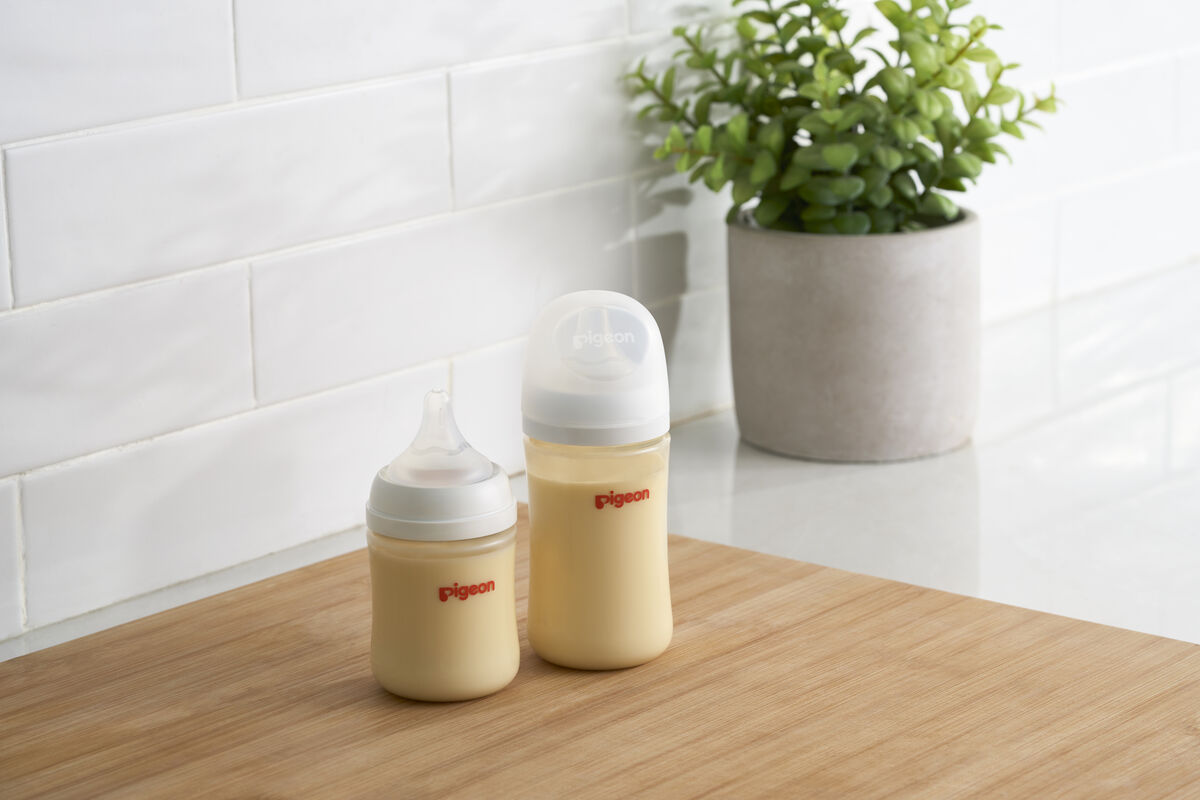
Products like SofTouch™ bottles and the Flexible™ bottles are designed to support a natural feeding rhythm by encouraging effective latch, appropriate flow, and coordinated feeding. When feeding feels manageable and predictable, babies are more likely to feed calmly and efficiently, setting a positive foundation for future eating habits.
According to guidance from the Royal Children’s Hospital Melbourne, supporting coordinated feeding in infancy helps reduce feeding stress and supports safe swallowing patterns [1].

Drinking Habits Influence Independence
The transition from bottle to cup is often seen as a milestone, but it's also a learning process that shapes long-term drinking habits.
Passive sipping requires minimal coordination, while active drinking requires:
-
Lip closure
-
Tongue control
-
Jaw stability
-
Breath coordination
Cups like StarTouch™ Drinking Cups are designed to encourage active drinking rather than passive flow. By supporting coordinated oral movements early, babies can develop skills that make later transitions, to open cups and independent drinking, feel more natural.
Speech pathologists consistently highlight that oral motor skills used for drinking overlap with those used for chewing and speech. Early opportunities to practise these skills support long-term oral coordination.
Guidance from the American Speech-Language-Hearing Association notes that early feeding and drinking experiences influence later oral motor development [2].
Oral Care Habits Begin Before Teeth Fully Emerge
Oral care routines don’t start with perfect brushing. They start with tolerance, familiarity and gentle exposure.
Early oral products and routines help babies learn:
-
Comfort with objects in the mouth
-
Acceptance of oral sensation
-
Predictable daily care patterns
Introducing gentle oral care early supports smoother transitions when brushing becomes essential. Babies who are accustomed to oral routines are often more comfortable as teeth emerge and brushing becomes more structured.
These early experiences can influence how children respond to oral care well into toddlerhood and beyond.
Fore more oral care and hygiene tips, see our My First Dental Lesson page.

Skin Care Routines Shape Skin Resilience
Skin care is another area where early habits matter. Baby skin is thin, sensitive and still developing its protective barrier.
Repeated exposure to heavy products, over-cleansing or friction can influence how skin responds to irritation. By contrast, consistent use of gentle, appropriately formulated products supports skin barrier resilience.
Pigeon Natural Botanical Baby Diaper Cream™, made with naturally derived ingredients, is designed to support skin recovery during active nappy rash while remaining gentle enough for regular use. Establishing calm, consistent skin care routines helps reduce unnecessary irritation and supports long-term skin comfort.
According to the NHS, gentle care and avoiding over-treatment are key principles in maintaining healthy baby skin [3].
Routine Builds Confidence - for Baby and Parent
When products support natural movement and comfort, routines tend to feel easier. Babies become more predictable, parents feel more confident, and daily care becomes less reactive.
Over time, these routines support:
-
Self-regulation
-
Independence
-
Confidence with transitions
-
Reduced stress around care tasks
Why Product Choice Today Matters Tomorrow
Early baby products influence how babies move, respond and adapt. While habits can change, early support makes learning smoother and transitions less stressful.
Choosing developmentally considered products helps:
-
Reduce unnecessary frustration
-
Support coordination and comfort
-
Build confidence across stages
-
Encourage independence over time
These small, repeated experiences add up.

FAQs
How do early baby products influence long-term habits?
Early products shape how babies move, coordinate and respond during daily routines, influencing comfort, independence and developmental outcomes over time.
Why does feeding product choice matter?
Bottle and teat design affect feeding rhythm, energy use and swallowing coordination, which can influence feeding comfort and habits long term.
Can early drinking cups affect oral development?
Yes. Cups that encourage active drinking support oral motor coordination used for chewing, speech and independent drinking.
How do early skin care routines affect baby skin?
Consistent, gentle skin care supports barrier development and reduces irritation, helping skin become more resilient over time.
How does Pigeon support babies across stages?
Pigeon offers developmentally considered products across feeding, drinking, oral and skin care, supporting families from newborn through toddler stages.