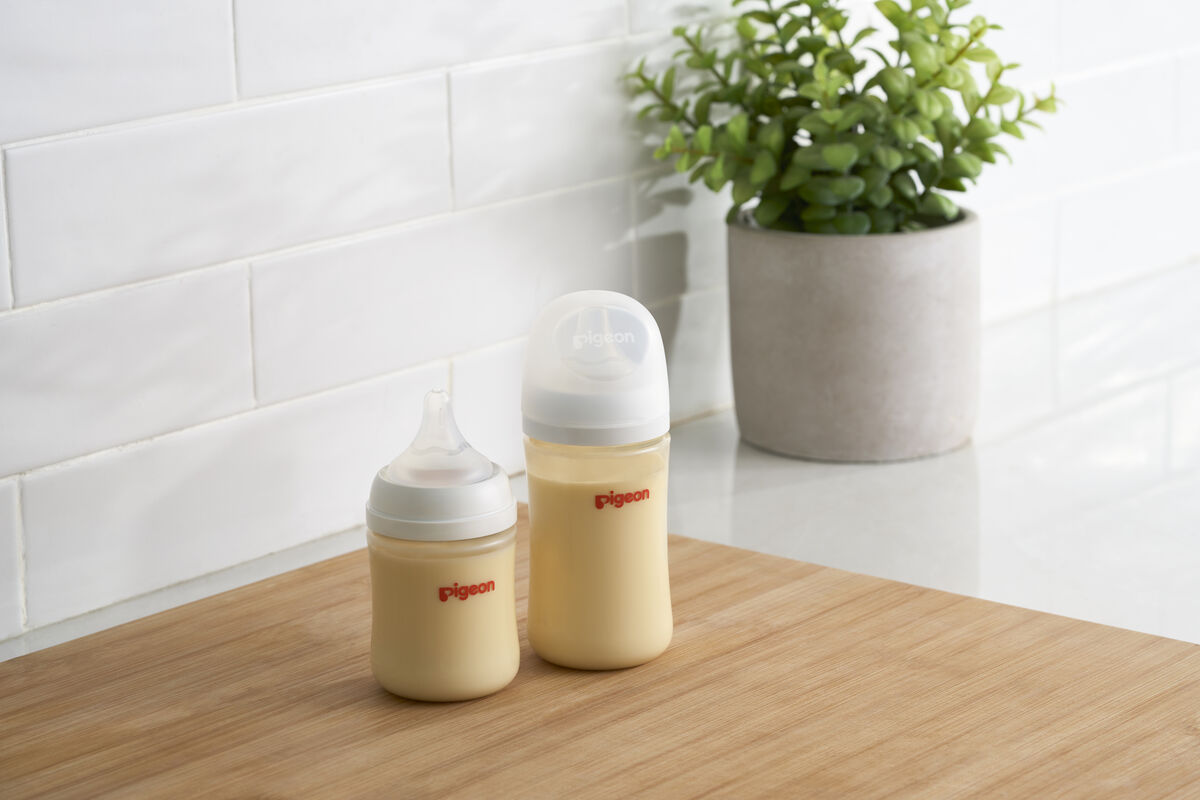
Whether you're bottle-feeding your baby from birth, wanting a combination of breast and bottle feeding, or weaning them off the breast and onto a bottle, it's important to choose one that is right for your child. From the shape to the material and everything in between, here are some helpful tips for choosing your baby's first bottle.
Why is taking time in bottle feeding vital?
It's easy enough to jump online and order a bottle for your baby without thinking about much beyond the price tag. And it's just as easy to wander into the supermarket, pharmacy or baby store and pick the first thing you see on the shelf. After all, bottles are common and used by most babies, so it's natural they would adjust to any bottle, right? Not exactly.
Despite their lack of time in the world, babies can be discerning and quite picky about what they put in their mouth, especially when it comes to feeding from a bottle. That's why you need to take your time, do a bit of research and choose a baby bottle and teat that is most suitable for your little one.
To help make a tough decision a bit easier, here are some helpful tips to think about.
1. When will your baby be using the bottle?
Baby bottles aren't universal, which means different sizes, shapes and teats will be most appropriate according to your baby's age. A smaller bottle with a small hole in the teat will be more appropriate for a newborn than a large bottle with a wider opening in the teat, for example.
Also consider whether the bottles will be used only for formula, strictly for breastmilk, or a combination of both, as this may inform your final decision.

2. Will your baby be switching between the breast and bottle?
There's a variety of reasons why you may need your baby to take a bottle even though you are still breastfeeding. Maybe you're returning to work and need to keep your child fed throughout the day by your partner or family member while you're not around. Or perhaps you're slowly weaning them onto formula or other milk products.
Whatever the reason, nipple confusion is a common problem that can cause both you and bub unnecessary stress. [1] is often the best approach for working parents, but it requires choosing bottles carefully. That's why using a bottle that's designed to mimic the breast shape can help your baby switch easily between the two.
Here at Pigeon, our range of SofTouch™ baby bottles are perfect for babies who are switching between breast and bottle. The distinct feature of this range is its wide neck. The teat's design mimics the natural breast shape to prevent nipple confusion and includes a textured surface to ensure a secure latch.
3.Have you thought about the bottle teat?
Did you know that the shape and material of the bottle doesn't really matter? It's actually all about the teat. You want your baby to feel calm and comfortable. If your baby is small, a slim neck teat may be best, but if you wish to combination breast and bottle feed, your baby may prefer a wide neck teat whose shape is similar to your breast and may help them associate feeding from the bottle with feeding from the breast.
If there's one thing you should spend the most time researching, it's the teat! Once you have decided between slim or wide neck, you need to look at the teat design and consider the following: Does it have a textured surface to allow your baby to latch on easily? Is there a venting system to support constant milk flow and help reduce colic such as Pigeon's Air Ventilation System (AVS™)? Does the teat offer a range of sizes that will allow you to move your baby through the range as they grow older? All important considerations in choosing the right bottle teat for you and your baby.
The Role of Teat Venting Systems in Reducing Colic
Many parents don't realise that a significant portion of infant discomfort and wind comes from air bubbles ingested during feeding. This is where teat venting systems become crucial. A properly designed venting system creates a controlled airflow within the bottle, preventing a vacuum from forming and allowing milk to flow at a consistent rate. When air bubbles are reduced, babies swallow less air during feeds, which translates to less wind, bloating and discomfort after feeding time.
Pigeon's Air Ventilation System (AVS™) works by allowing air to enter the bottle as milk is withdrawn, maintaining internal pressure balance. This means your baby doesn't have to work as hard to extract milk, and they're less likely to take in excessive air. If your baby shows signs of colic or reflux, an anti-colic bottle for sensitive newborns can make a noticeable difference in their feeding comfort and overall wellbeing. However, not all babies need anti-colic bottles. Some feed comfortably with standard teats and never experience colic symptoms. Pay attention to your baby's feeding behaviour and consult your child health nurse if your baby seems distressed or uncomfortable during feeds.
4. What about the bottle material?
Generally, parents end up buying bottles and teats as a result of personal preference, budget and how often they think the bottle will be used. However, it's good to know about the differences between the different bottle materials. A lot of abbreviations are used, but in summary, there are basically two options: plastic or glass.
Plastic bottles can be either regular plastic or premium-grade plastic. They are commonly called PP or PPSU, an abbreviation of the type of plastic from which they are made. Regular plastic bottles are made from polypropylene (PP), whilst premium-grade plastic bottles are made from polyphenylsulfone (PPSU).
PP is a lightweight plastic that's intended for low to regular use, whilst PPSU, being a premium-grade plastic, is more hard-wearing and intended for higher use. PP bottles are generally clear in colour. PPSU bottles are naturally honey-toned. Glass bottles offer the best alternative to plastic, but they are slightly heavier, although they do offer years of use.
Medical guidelines found at NHS Bottle Feeding recommend checking whether your chosen material is BPA-free and safe for microwave sterilisation. [2]
Temperature Control and Safety Considerations
Beyond basic material composition, bottle materials respond differently to temperature changes, which can affect your feeding routine and baby's comfort. Glass bottles excel at retaining warmth, making them ideal for parents who travel frequently or spend extended time outdoors, as milk stays warm longer without additional heating. Conversely, plastic bottles (both PP and PPSU) cool more quickly, which is beneficial on hot days or if you prefer to cool bottles rapidly after heating.
All materials are safe for microwave sterilisation and heat, but each has slightly different thermal properties. Glass is the most durable under repeated heating cycles and won't degrade over years of use, whilst plastic bottles may develop slight discolouration or wear after 12–18 months of frequent sterilisation. To explore all baby bottle materials and styles and find which suits your lifestyle best, browse our complete range of newborn bottles. Consider your climate, daily routine and how often you plan to use each bottle when making your final decision about material.

5. How many bottles will you need?
In the madness of life with a young baby, one bottle is never enough. Your baby's feeding frequency, how many bottles you'll want to keep in the fridge and freezer, and how often you are likely to clean and sterilise them will all influence how many bottles you will need.
If you are still mostly breastfeeding, three or four bottles should suffice. If you are strictly bottle-feeding, then anywhere from eight to 10 bottles may be necessary.
The Australian Raising Children Network recommends having 6–10 bottles on hand if exclusively bottle-feeding, as this ensures you always have clean bottles ready without needing to sterilise constantly throughout the day [3]
Bottle Selection Timeline: What to Buy Before Baby Arrives
Many first-time parents feel uncertain about how many bottles to purchase before their baby arrives. Rather than buying a complete set of one brand, consider buying a smaller starter pack of four to six bottles from different brands. This approach lets you trial bottles with your baby without committing to dozens of one style. Babies have preferences, and what works beautifully for one newborn may not suit another, so flexibility during those early weeks is invaluable.
As your baby grows, typically around three to four months, you may notice they're finishing feeds quickly or becoming restless. This is often a sign they're ready to transition to a larger bottle size (from 160ml to 240ml) and possibly a faster teat flow. Rather than replacing all your bottles at once, gradually introduce larger sizes alongside your existing ones. This staged approach reduces waste and allows your baby to adjust gradually. Some parents find they continue using smaller bottles for on-the-go feeds even after transitioning primarily to larger sizes at home, so keeping a mixed collection can be practical throughout the first year.
Find the Perfect Fit
Every baby is unique, and their feeding preferences are no exception. Here at Pigeon, we understand this, offering a wide range of bottles and teats to cater to your little one's individual needs.
Designed for Comfort: The SofTouch™ Baby Bottles and Teats line features wide-neck bottles and super-soft silicone teats with a textured surface. This innovative design promotes a natural latch, mimicking the feel of a mother's breast.
Traditional Yet Effective: For those who prefer a classic design, the Flexible™ Baby Bottle collection offers bottles with various material options. These bottles utilise double-thickness silicone teats, ensuring both softness and flexibility for effortless latching.
Whichever option you choose, Pigeon baby bottles prioritise comfort and ease for both you and your baby.
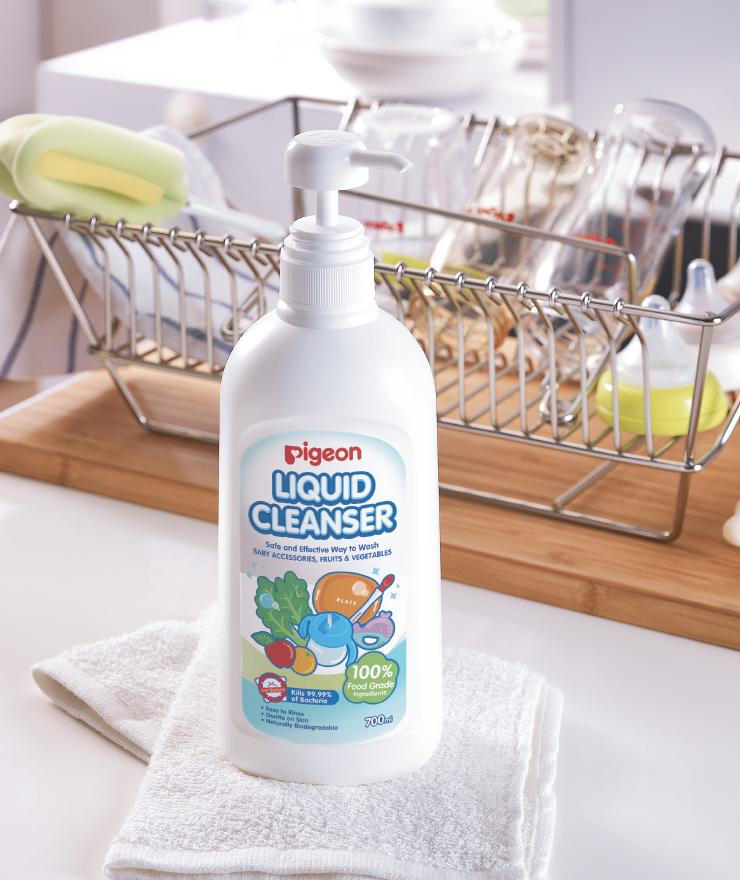
Learn how to sterilise and keep your baby products clean and safe with our Keep It Clean Guide.
What Parents Are Saying
Great bottle
The best bottles! My baby took these bottles straight from birth with no nipple confusion. Made feeding so much easier and able to be shared. Plus the cute designs are a bonus!
Great bootle
I’ve tried a few bottles and got recommended to try this bottle by a friend and I’m so grateful…
I breastfeed my baby majority of the time. I pump milk to give my bubs when we’re out or even if she just needs a top up and these bottles just work.
No issues with getting her to take this bottle. This bottle doesn’t leak and most importantly no nipple confusion.
I only bought 3 to try and I’ll definitely be buying more of these bottles.Frankie, Flexible™ Bottle PPSU 240ml
Frequently Asked Questions About Choosing Baby Bottles
What's the difference between a wide-neck and slim-neck baby bottle?
Wide-neck bottles mimic the natural breast shape and are ideal for babies who are breast and bottle feeding, whilst slim-neck bottles are more traditional and suit fully bottle-fed babies. Here at Pigeon, our SofTouch™ range features wide necks specifically designed to prevent nipple confusion.
Which baby bottle material is safest: plastic or glass?
Both plastic and glass bottles are safe for babies when BPA-free and properly sterilised. Plastic bottles (PP and PPSU) are lightweight and portable, whilst glass bottles are more durable and long-lasting. Choose based on your lifestyle and how frequently you'll use the bottle.
How do I prevent nipple confusion when breast and bottle feeding?
Nipple confusion happens when babies struggle to adjust between breast and bottle teats. Use a bottle with a teat designed to mimic the breast shape, such as our SofTouch™ Peristaltic Plus teat, which has a textured surface and wide, breast-like design.
What's the best teat size for a newborn?
Newborns typically need a small-hole teat (size SS or S) to prevent overfeeding and reduce choking risk. As your baby grows and their feeding becomes stronger, you can gradually move to larger teat sizes (M, L, LL, LLL). Always follow your baby's cues and consult your child health nurse if unsure.
Do I need to buy the same bottle brand throughout the first year?
No – many parents switch bottle brands as their baby's feeding needs change. However, once you find a bottle and teat that your baby loves, it's worth sticking with it to avoid unnecessary trial and error. Most babies become accustomed to a bottle within 1–2 weeks of consistent use.
What is an anti-colic bottle and does my baby need one?
Anti-colic bottles feature venting systems (like Pigeon's Air Ventilation System [AVS™]) that reduce air bubbles and wind. They're beneficial for babies who show signs of colic or reflux, but not all babies need them. If your baby feeds comfortably with a standard bottle, an anti-colic option may not be necessary.