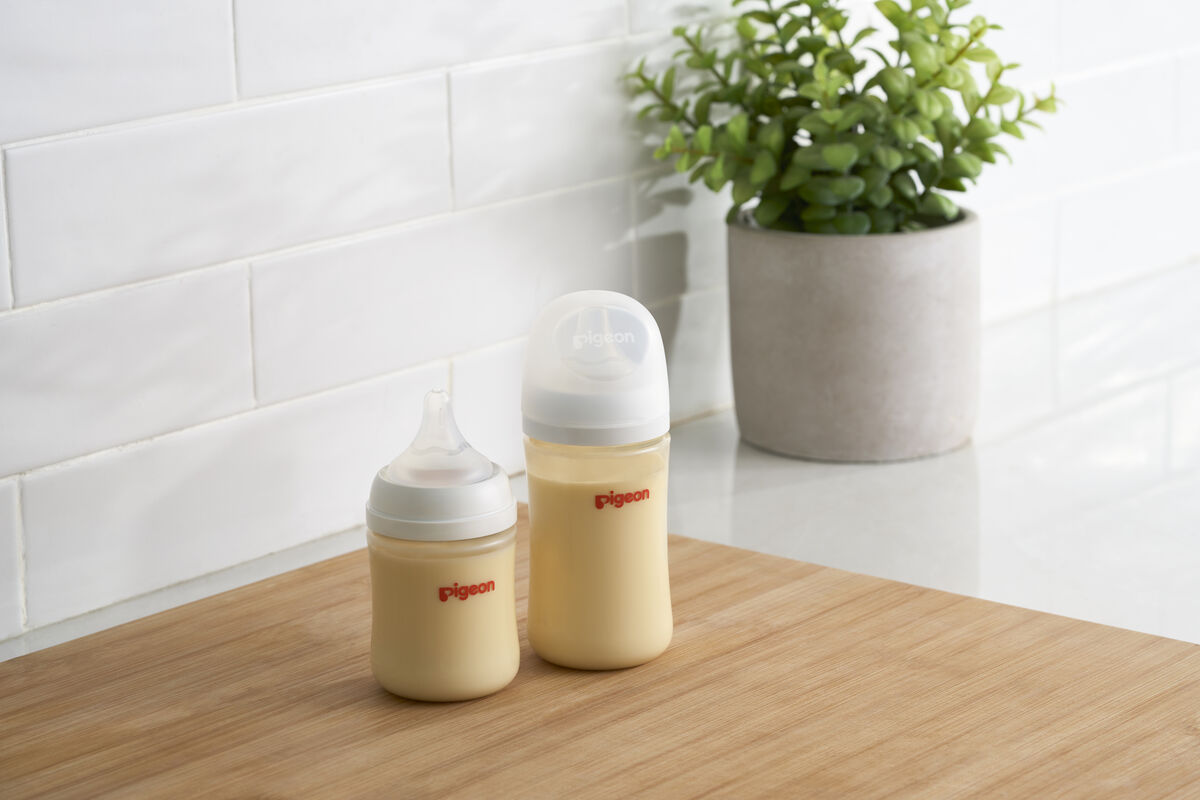
Bottle-feeding seems pretty straightforward. Milk in, baby fed, done. Doesn't matter if that's formula, expressed breastmilk, or a bit of both. But there are a few small habits that sneak in without anyone noticing, and they can make feeds trickier than they need to be.This isn't about pointing fingers. Nobody sits you down and explains this stuff, you just pick up habits that feel normal until someone mentions there's an easier way. So here are five of the most common ones, plus what actually helps instead.
1. Using the same teat forever
Babies grow fast, and so does their sucking strength. A teat that was perfect at six weeks might be way too slow by three months. When the flow can't keep up, your baby has to work harder for the milk, which shows up as frustration, pulling off the bottle, or gulping down air between sucks. Doesn't matter what's in the bottle, formula, breastmilk or both, the same rule applies.
Raising Children Network puts it simply, if you're shaking the bottle just to see it drip, the flow's too slow and it's time to size up. Worth remembering the flip side too, if it's too fast, your baby doesn't get the chance to realise they're full.
Easy fix: give the flow a check every few weeks instead of assuming what you started with is set in stone. If your baby seems to be working overtime, or smashing through feeds way too fast, try the next size up.
2. Feeding with the bottle flat
Holding the bottle totally flat lets air sit right where your baby's drinking from, so they end up swallowing air along with the milk. Super easy to slip into, especially at 2am when you're basically feeding on autopilot.
The Australian Breastfeeding Association's tip is to keep the bottle mostly horizontal at first, just enough of a tilt to fill the teat, then gradually tip it back as the feed goes on so the teat stays full rather than getting air in it. Basically, you want milk in that teat, not air.
Nothing dramatic needed, just enough of an angle that gravity's on your side instead of working against you.
3. Powering through the whole feed
Tempting to just smash through the bottle and get it done, especially in the middle of the night. But rushing doesn't give your baby time to clock that they're getting full, and a fast feed usually means more air swallowed too.
This is basically what paced feeding is all about, letting your baby set the pace instead of you steering the whole thing. Really handy if your baby goes between breast and bottle, since it makes the bottle feel more like a breastfeed, but honestly it helps any bottle-fed baby. The idea is pausing every few minutes so they're not skulling it too fast, and letting them stop when they've had enough, even if there's milk left over.
A quick pause halfway through does wonders. Bonus, it gives you a second to actually check in on your baby instead of just watching the bottle.
4. Guessing the formula ratio
This one's for the formula and combo-feeding parents. Once you're deep in the routine, it's so easy to get a bit loose with measuring. A heaped scoop here, a splash less water there, feels like it shouldn't matter. But even a small difference in the ratio, too strong or too watered down, can affect how well your baby handles the feed and whether they're getting what they need.
Pregnancy, Birth and Baby are pretty clear on this, measure the water first, then add the right number of scoops, using only the scoop that came with that tin (they're not all the same size). Don't make it stronger or weaker than the instructions, even if it feels like you're helping.
Levelled scoops, proper measuring, every single time. Takes an extra ten seconds and it's one of those things that's easy to let slip if formula's only part of your routine.
5. Making your baby finish the bottle
It's a tough habit to shake, especially if you hate the idea of wasting formula or expressed milk. But pushing your baby to polish off every last mL, even once they're turning away, slowing right down, or pushing the bottle out, overrides the exact cues that tell you they're actually full.
Raising Children Network is pretty direct about this one too, don't worry if your baby doesn't finish the bottle. Babies are generally good at knowing when they've had enough, and feeding past that point regularly can make it harder for them to recognise their own fullness over time.
Easier said than done at 2am when you just want the feed over, but if your baby's pulling away or losing interest, that's the cue to stop, not push on. You can always offer more a bit later if they're still hungry.
Where SofTouch™ comes in
A good teat and bottle won't fix all five of these on their own, you've still gotta check the flow and get the formula right. But the SofTouch™ range is designed to take a couple of the trickiest bits off your plate, whether you're doing formula, expressed milk, or a combo of both.
The wide neck and Latch-on Line™ teat shape are made to feel close to a natural latch, which is great if your baby's going back and forth between breast and bottle during the day. The Air Ventilation System helps cut down swallowed air no matter what's in there, even on the days your pacing or angle isn't perfect (because let's be real, it won't always be). The SofTouch™ III PPSU Twin Pack is a solid pick if you're setting up feeds for the first time or your current bottles have outgrown your baby's flow needs.
It won't replace checking the flow rate, getting your formula ratio right, or watching for fullness cues, but it does take some pressure off getting every little detail perfect every single feed. When you're running on no sleep, that bit of margin actually matters.

One last thing
None of this means you've been doing it wrong. These are just the small, everyday habits that build up because nobody ever mentioned them, not because you weren't being careful. Most are a quick fix once you know what to look for, and a well designed bottle can quietly cover you on the days when getting everything perfect just isn't happening.
If your baby's still uncomfortable even after checking all this, have a chat with your GP or child and family health nurse. Sometimes there's more going on than any bottle or habit can fix.
Common Questions Parents Ask
What's the most common bottle-feeding mistake?
Sticking with the same teat flow for too long. Babies outgrow a teat's flow way before they outgrow the bottle, and it doesn't matter if it's formula, breastmilk or both going in.
Does it actually matter how I hold the bottle?
Yep. Too flat and air pools near the teat, so your baby swallows it along with the milk. A gradual tilt as the feed goes on keeps the teat fuller and cuts this down.
Is paced feeding only for breastfed babies who also take a bottle?
Nope, it helps any bottle-fed baby. It just happens to be extra handy for babies going between breast and bottle, since it keeps things consistent.
Can getting the formula ratio wrong really affect my baby?
Yeah, mixing it too strong or too weak can affect how well they handle the feed and what nutrition they're actually getting. Water first, then the exact number of scoops on the tin, every time formula's involved.
Should I always get my baby to finish the bottle?
No, and it's worth letting go of this one. If your baby's pulling away, slowing down, or pushing the bottle off, that's them telling you they're done, even if there's milk left.
Can I use SofTouch bottles for combo feeding?
Definitely. They're built to work with formula, expressed breastmilk, or a mix, and the wide, breast-like teat shape is especially good for babies switching between breast and bottle.
For More Reading
- Raising Children Network, "Bottle-feeding babies: giving the bottle" — raisingchildren.net.au
- Australian Breastfeeding Association, "Paced bottle-feeding" — breastfeeding.asn.au
- Pregnancy, Birth and Baby, "Feeding your baby with formula" — pregnancybirthbaby.org.au