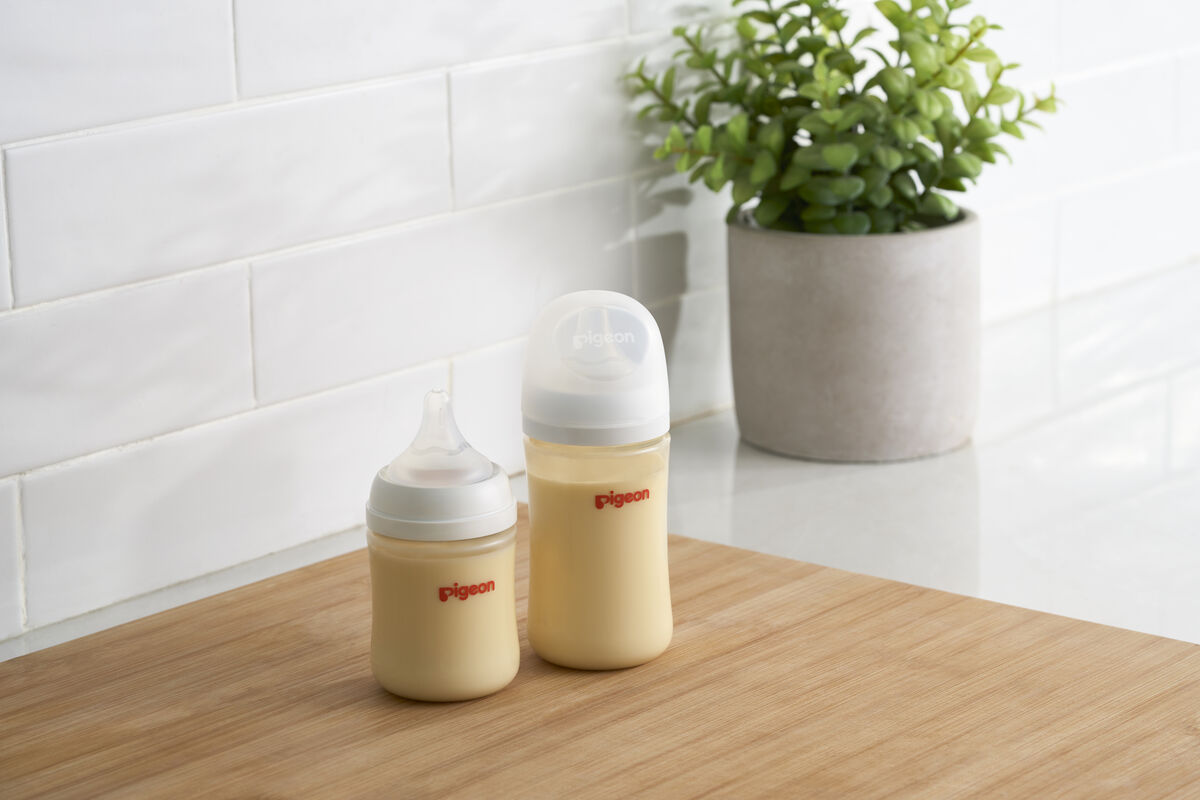
Choosing a bottle for your newborn can feel surprisingly overwhelming. With so many shapes, teats, materials, and claims, it’s hard to know what really matters in those early weeks. Add in feeding challenges like gas, latch confusion, or switching between breast and bottle, and it’s no wonder many parents second-guess their choice.
Here at Pigeon, we understand that newborn feeding isn’t one-size-fits-all. Every baby feeds differently, and those first bottles play a big role in comfort, digestion, and confidence for both baby and parent. That’s why we’ve created this guide to help you choose the right bottle for your newborn, based on science, developmental needs, and real-world feeding experience.
This article breaks down what to look for, what to avoid, and how to choose a bottle that supports your baby’s natural feeding instincts from day one.

Why the Right Bottle Matters for Newborns?
Newborns are still learning how to coordinate sucking, swallowing, and breathing. Their oral muscles are developing rapidly, and small differences in teat shape, flow, and flexibility can have a big impact on how comfortably they feed.
The right bottle can help:
- support a natural latch
- reduce swallowed air and discomfort
- minimise feeding fatigue
- support smooth transitions between breast and bottle
- build healthy oral-motor patterns from the start
A poorly matched bottle, on the other hand, can contribute to fussiness, excessive gas, leaking, coughing, or feeding refusal.
What to Look for in a Newborn Baby Bottle?
1. A Teat That Supports Natural Sucking
Newborns use a wave-like tongue movement called peristaltic motion when feeding at the breast. Bottles designed to support this same motion allow babies to feed more naturally and comfortably.
Look for a teat that:
- is soft and flexible, not stiff
- allows the tongue to compress and move rhythmically
- supports a wide, deep latch rather than shallow sucking
This is especially important for breastfed or combination-fed babies, as it helps reduce nipple confusion and supports smoother transitions.
2. Slow, Newborn-Appropriate Flow Rate
Flow rate is one of the most common causes of feeding difficulties.
For newborns, slower is better. A teat with a slow flow:
- allows babies to control the pace of feeding
- reduces choking and coughing
- supports proper suck-swallow-breathe coordination
- helps prevent overfeeding
If milk flows too quickly, babies may splutter, gulp air, or pull away from the bottle. A slow-flow teat allows feeding to stay calm and regulated.

3. Anti-Colic and Air Ventilation Features
Newborn digestive systems are still immature, which makes them more prone to gas and discomfort.
Bottles with built-in air ventilation systems help by:
- reducing the amount of air swallowed during feeds
- preventing vacuum pressure inside the bottle
- supporting smoother milk flow
Less air intake often means less wind, less fussiness, and more settled feeds.
4. Safe, Food-Grade Materials
Newborn feeding equipment comes into contact with your baby’s mouth many times a day, so material choice matters.
Choose bottles that are:
- BPA and BPS free
- made from food-grade materials
- tested for safety and durability
- heat-resistant for sterilisation
Some parents also prefer bottles made from bio-based or sustainable materials for peace of mind.
5. Easy to Clean and Sterilise
Newborns have developing immune systems, which means hygiene is essential.
A good newborn bottle should:
- have minimal parts
- be easy to disassemble
- be compatible with sterilisation methods
- allow thorough cleaning of teats and internal surfaces
Simple designs make daily cleaning more manageable, especially during night feeds.

Breastfed, Formula-Fed, or Combination Feeding?
Your feeding method plays a role in bottle choice.
Breastfed or Combination-Fed Babies
If you’re breastfeeding and introducing bottles, choosing a bottle designed to mimic breastfeeding as closely as possible is key. Pigeon’s SofTouch™ bottle range are specifically engineered to support the same peristaltic tongue movement used during breastfeeding, helping your baby maintain their natural suck–swallow–breathe rhythm. This can reduce the risk of feeding preference or refusal and make transitions between breast and bottle feel more seamless for both baby and parent.
Exclusively Bottle-Fed Babies
Even for babies who are exclusively bottle-fed, teat design still matters. Bottles with thin neck and slow-flow teats, like those in the Pigeon's Flexible™ bottle range, support controlled milk flow and help prevent overfeeding or air intake. Anti-colic features and responsive teat movement also promote comfort and easier digestion, especially in the early newborn weeks.
No matter how your baby is fed, the goal is the same: a calm, comfortable feeding experience that supports healthy oral development, digestion, and confidence at every feed.
What are Common Signs a Bottle Isn’t the Right Fit?
If your newborn shows any of the following, it may be time to reassess your bottle choice:
- coughing or choking during feeds
- excessive gas or burping
- milk leaking from the sides of the mouth
- very long or very short feeds
- pulling away, arching, or fussing mid-feed
Sometimes, small changes in teat shape or flow rate can make a big difference.
Choosing the Right Bottle for Day One
Many parents worry about choosing the “perfect” bottle straight away. The truth is, it’s normal to try more than one option before finding the right fit for your baby.
Start with:
- a newborn-specific bottle
- a slow-flow teat
- a design that supports natural sucking and airflow
From there, you can adjust based on your baby’s cues.
You can explore options designed specifically for newborn feeding in the Pigeon Newborn Bottle Collection, which includes bottles and teats created to support early feeding comfort and development.
Newborn Baby Bottle Comparison
| Feature | Pigeon | Other Brands |
|---|---|---|
| Newborn-friendly teat sizes available | Yes | Varies by brand |
| Breast-like wide neck option (helpful for combo feeding) | Yes | Varies (not always breast-shaped) |
| Peristaltic teat design to support natural tongue movement | Yes | Not always (many use standard teat shapes) |
| Anti-colic air venting system to reduce swallowed air | Yes | Varies (some have basic vents; some none) |
| Range designed to support breastfeeding, expressing, or mixed feeding | Yes | Varies |
| Multiple bottle material choices (e.g. PP, PPSU, glass) | Yes | Often limited (material range varies) |
| Teat size progression through baby stages | Yes | Varies (some have fewer flow options) |
| Designed for gentle grip and everyday feeding comfort | Yes | Varies |
| Developed with long-term research input (paediatric and maternity experts) | Yes | Varies (not always stated) |
When to Size Up or Change Baby Bottle Teats?
As your baby grows, their feeding needs will change.
Signs your baby may be ready for a different teat include:
- feeds taking longer than usual
- visible frustration during sucking
- falling asleep mid-feed due to fatigue
- increased strength and coordination
Always follow your baby’s cues rather than age alone when adjusting flow rates.

If you’re feeling unsure about your bottle choice, you’re not doing anything wrong. Feeding is a learning process for both you and your baby.
The right newborn bottle supports comfort, digestion, and confidence, but it’s also okay to adjust as your baby grows. Small changes can make feeds easier and more enjoyable for everyone.
At Pigeon, we’ve spent decades researching infant feeding science to support babies from their very first feed. Choosing a bottle designed with newborn development in mind gives you a strong starting point for your feeding journey.
Related Articles
Common Baby Feeding Challenges (And How to Overcome Them)
Newborn Soothing Techniques That Actually Work