Flexible™ Peristaltic Teat L 2pcs
Flexible™ Peristaltic Teat L 2pcs
Couldn't load pickup availability
Description
Description
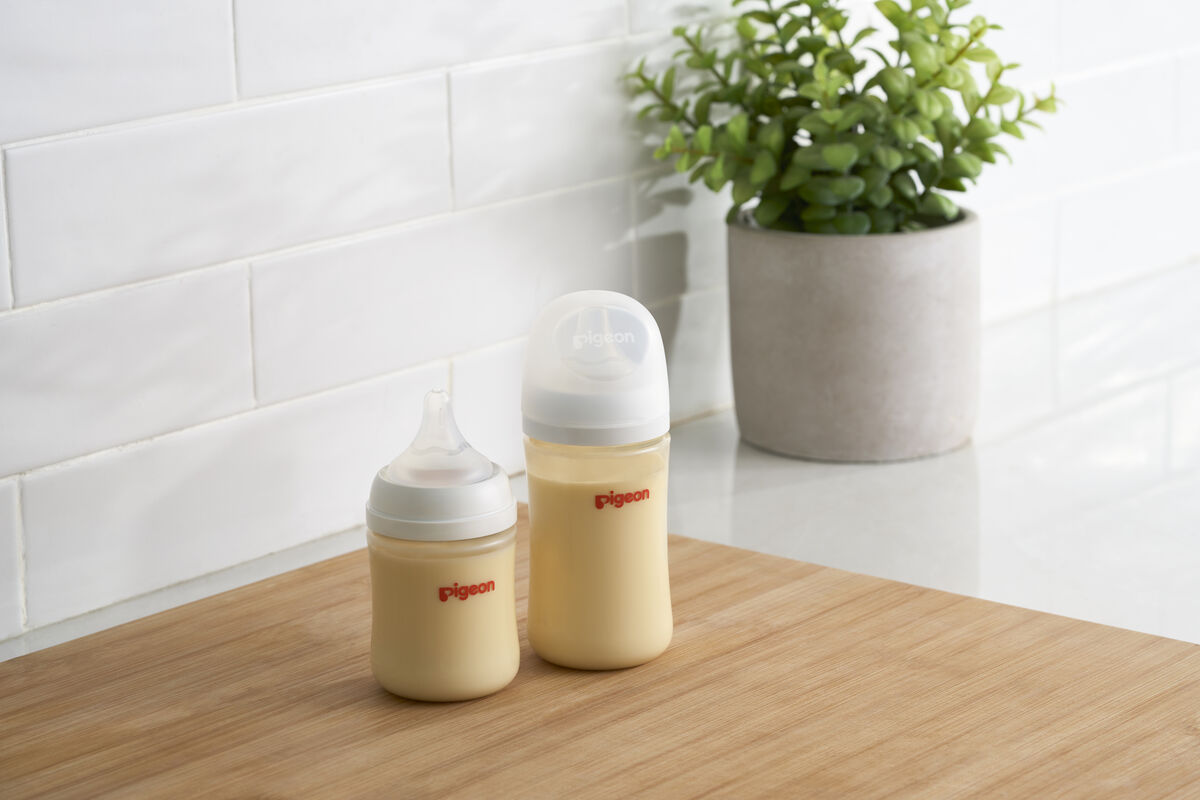
A soft, slim-neck teat designed for easy, comfortable latching. Made with double-thickness silicone for the right balance of softness and flexibility, it helps babies feed naturally and smoothly.
Its built-in venting system reduces air intake to help minimise colic, keeping feeds calmer and more comfortable.
BPA & BPS free.
Teat size L, round hole. 9+ months.
How to use
How to use
-To assemble, insert the teat into the top of the bottle cap/collar.
-Press down firmly to check teat is secure and even.
-Press to make sure the air ventilation system opens.
-Screw onto the bottle.
Features & Benefits
Features & Benefits
-Made with double-thickness silicone material
-Balanced softness and flexibility for comfortable feeding
-Built-in venting system to reduce air intake
-Anti-colic design
-Round-hole opening for smooth milk flow
-Teat size L, suitable for babies 9 months and above
-BPA and BPS free materials
Share this product
FAQ's about Flexible™ Peristaltic Teat L 2pcs

Your baby is fussing every time they feed – this could mean that they are getting frustrated with the flow of milk from the bottle as it’s not coming fast enough.
The teat keeps collapsing when the baby is drinking, (and it’s not because the air flow valve is blocked). This can mean that the baby is sucking too hard for the size of the hole in the teat and a vacuum is being created, hence the teat collapses. The baby is now trying to drink faster than the size of the teat will allow.
If your teats have discoloured it is likely that they have been in contact with high temperatures during washing and sterilising.
Kindly check the temperature for your electric steriliser that it doesn’t exceed 110 degrees celsius and discard discoloured teat.
Flexible™ Peristaltic Teat L 2pcs Reviews
Recently viewed products
Learn With Pigeon

When Should You Introduce a Teether (And Which Ones Actually Help)?
Teething starts earlier than most parents expect, and the teether you choose matters more than you might think. Here is what to look for, when to introduce one, and how it supports your baby's oral development.
Learn more
Stop Overcleaning Your Baby's Bottle (And What to Do Instead)
Hygiene matters, but so does knowing when enough is enough. Learn how to clean baby products correctly without overdoing it, and why the cleanser you choose matters more than how often you sterilise.
Learn more
Why Some Newborns Struggle With Bottles (Even the “Good” Ones)
Your newborn is coughing, fussing, or falling asleep mid-feed. You've tried everything. Here's the thing: it's probably not the bottle, and it's definitely not you. Find out what's really going on behind those early feeding struggles.
Learn more