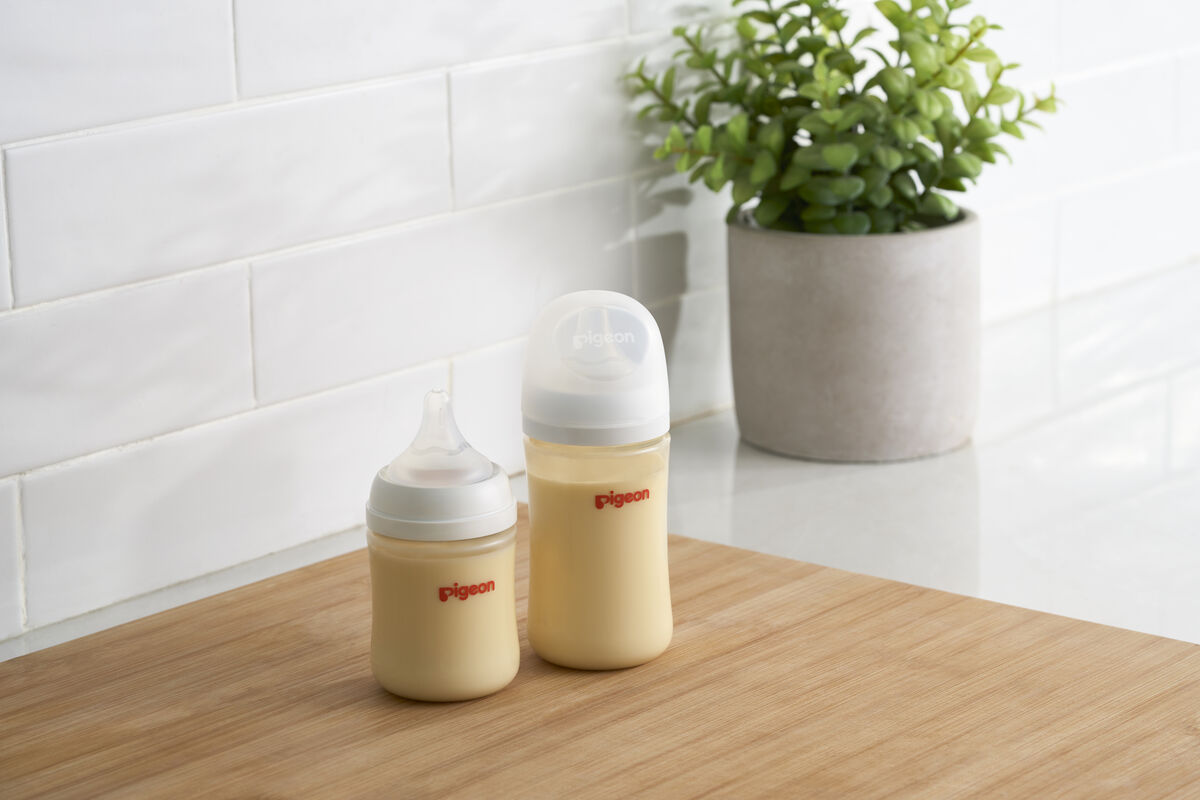
Thin neck baby bottles


Flexible™ Peristaltic Teat S 2pcs


Flexible™ Peristaltic Teat L 2pcs


Flexible™ Peristaltic Teat LL 2pcs


Flexible™ Peristaltic Teat M 2pcs


Flexible™ Bottle PP Twin Pack 240ml


Flexible™ Bottle GLASS 240ml


Flexible™ Peristaltic Teat Y 2pcs


Flexible™ Bottle PPSU 240ml


Flexible™ Bottle GLASS 120ml


Flexible™ Bottle PPSU 160ml


Flexible™ Bottle PP 120ml


Flexible™ Bottle PP 240ml


Pigeon Flexible™ III Bottle T-Ester 250ml


Flexible™ Curve Bottle PP Farm 250ml


Pigeon Flexible Curve Bottle PP Beach 250ml
Thin neck baby bottles
Pigeon’s Flexible™ thin neck baby bottles are thoughtfully designed to support comfortable, natural feeding, especially for newborns and babies who need a little extra help at the teat.
Featuring Pigeon’s trusted Peristaltic Teat, this traditional slim-neck bottle shape encourages a gentle latch and supports your baby’s natural tongue movement during feeding. The soft, flexible silicone adapts to your baby’s sucking rhythm, helping promote smooth, relaxed feeds.
The thin neck design is ideal for babies with smaller mouths, babies who fuss on wider teats, or those who prefer a more traditional bottle shape. Each Flexible™ teat also includes a built-in venting system to help reduce swallowed air and support happier little tummies.
Designed with over 70 years of infant feeding research, Pigeon Flexible™ bottles are a trusted choice for parents seeking a simple, effective feeding solution, whether bottle-feeding or combination feeding.
Best suited for:
-
Newborns and young babies
-
Babies with smaller mouths
-
Babies who struggle with wider teats
-
Parents looking for a traditional slim-neck bottle design
FAQs about Thin neck baby bottles

Loved by Parents
Lulu
"Definitely a great drinking cup for daily use. It is compact, lightweight and easy to grip. The bright colours make it more appealing to the little one. I personally found it is easy to take apart and clean. So far we love it!"

Maddy
I bought it a month ago, seems to work fine. My babies skin is not red anymore. Feels good to use on my baby.

Bec G
"This bottle is great for my 9 month old. It’s light weight and he is able to independently drink from the bottle. The weighted straw makes it easy for him to drink from all angles."

Phil
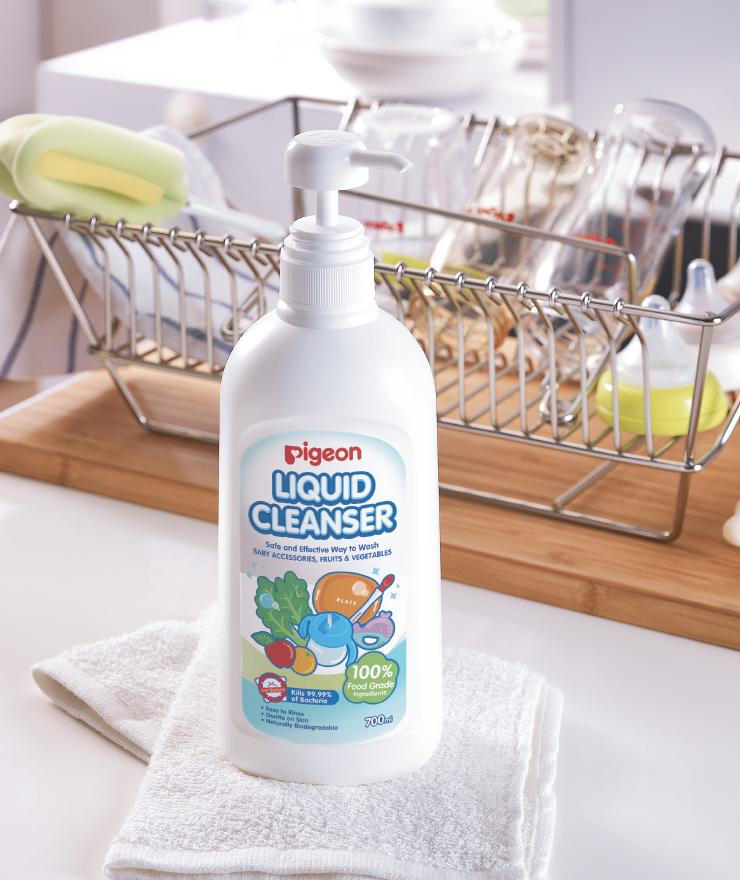
"I’m a big fan of the liquid cleanser, so I thought I’d give this baby bottle spray a try. It works really well for quick cleans and wipe-downs. Just like the cleanser, it doesn’t leave any chemical smell, and you don’t have to spend ages wiping to make sure everything’s clean."

Love this teat!!!!
"I bought this tonight for my 5 mo after trying 5 other brands of bottles and at my wits end. The teat was exactly what I was looking for and he didn’t resist it being given as much as he would the others. Cannot wait to try more and hopefully transition!!! Thank you!"


Learn with Pigeon
Discover Learn with Pigeon, a helpful hub for product guidance, how-to videos and expert-backed advice.
Everything here is designed to support your baby’s feeding and care journey with clarity, confidence and comfort.

5 Bottle-Feeding Mistakes Parents Don't Realise They Make
Common bottle-feeding habits with formula, breastmilk or mixed feeds that can affect comfort. Practical, evidence-based fixes for every stage
Learn more
Do Babies Need Oral Care Before Their First Tooth?
Baby teeth might still be a way off, but your baby's oral care routine can start long before that first tooth appears. Here's what actually matters in these early months, and how it sets up healthy habits for later.
Learn more
Why Isn't My Anti-Colic Bottle Working?
Anti-colic bottles promise less fussing, but they only solve one specific problem: swallowed air. Here's how to tell if air intake is behind your baby's discomfort or if something else is going on.
Learn more