Bottle Cleaning


Pigeon Liquid Cleanser 450mL


Pigeon Liquid Cleanser 650mL Refill


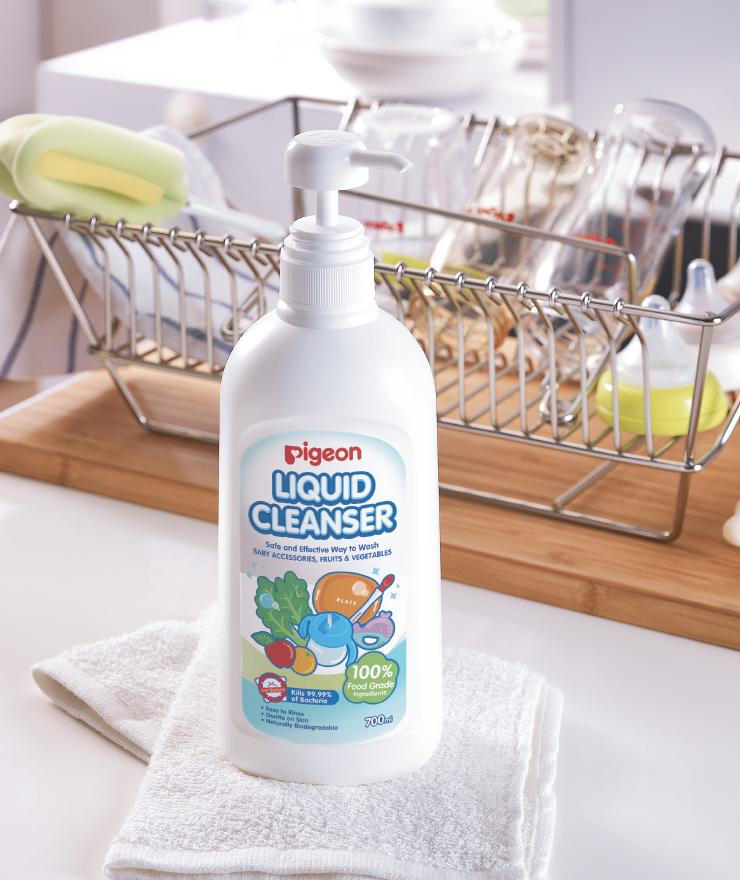
Pigeon Liquid Cleanser 700mL


Pigeon Liquid Cleanser 650mL Refill - Citrus


Pigeon Liquid Cleanser 700mL - Citrus

2 in 1 Bottle & Nipple Brush


Baby Bottle Sponge Brush

Microwave Baby Bottle Steriliser


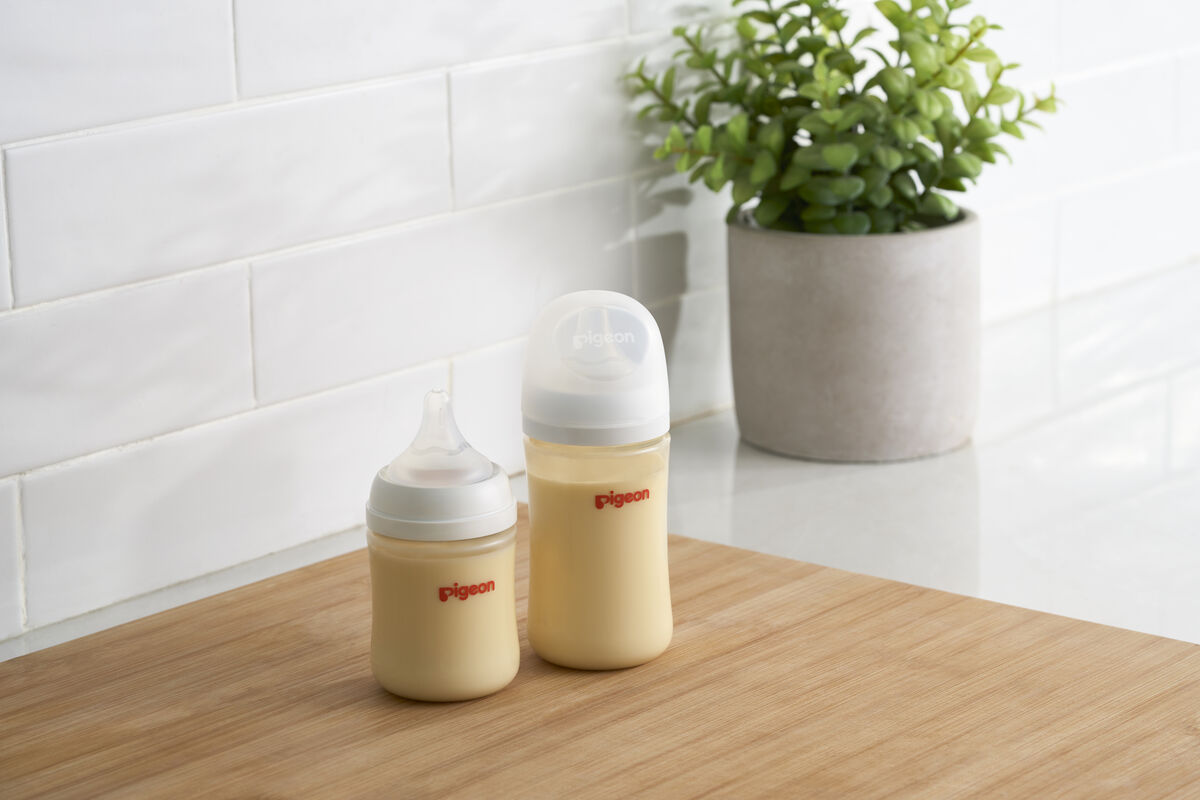
Pigeon SofTouch BPP Bottle PP 160ml Twin Colour Cap

BYOB Cap - Lavender Latte
Bottle Cleaning
Baby bottle cleaners come in many forms. Used to remove bacteria and germs, baby bottle cleaners should be used when cleaning baby bottles. With no harmful chemicals like standard cleaning products, baby bottle cleaners are recommended for the first 12 months of a baby's life.
[footer]
How do you use baby bottle cleaner?
A baby bottle cleaner should be used in conjunction with a baby bottle brush or sponge to wash all baby’s feeding accessories after every feeding. Clean all areas of the bottle and the teat, including the bottle collar and hood, and remove any milk residues.
What makes baby bottle cleaner different from standard liquid detergents?
The difference between a baby bottle cleaner and a standard liquid detergent is the exclusion of harsh ingredients. A proper baby bottle cleaner is a much safer choice as it is free from harmful chemicals and toxins, which you don’t want your baby to ingest, and is dermatologically tested for sensitive skin to prevent the baby from having allergic reactions.
Does sterilising replace bottle cleaning with liquid detergent?
No, you must wash the bottles before sterilising them. A steriliser is supposed to kill germs and bacterias in the bottles, but it won’t remove any residues, hence why they must be washed prior to being sterilised.
What is the best way to clean baby bottles?
It is ideal to clean your baby’s bottle right after feeding, as germs can grow quickly on milk. You should wash all feeding accessories with a clean bottle brush and a proper baby bottle cleaner, which is free from harmful chemicals, and then rinse thoroughly. If there’s still any stubborn milk, you can soak the bottle in a solution of warm water and baby bottle cleaner and leave for a few minutes to dissolve. Repeat the washing process after that. If the baby is less than a year old, the bottles and teats should also be sterilised after washing.
All SofTouch bottles come with a SofTouch teat that features a unique venting system to minimise swallowed air and help reduce colic. The teats come in 6 different sizes and can be used from newborn babies to 15 months old.
Loved by Parents
Lulu
"Definitely a great drinking cup for daily use. It is compact, lightweight and easy to grip. The bright colours make it more appealing to the little one. I personally found it is easy to take apart and clean. So far we love it!"

Maddy
I bought it a month ago, seems to work fine. My babies skin is not red anymore. Feels good to use on my baby.

Bec G
"This bottle is great for my 9 month old. It’s light weight and he is able to independently drink from the bottle. The weighted straw makes it easy for him to drink from all angles."

Phil
"I’m a big fan of the liquid cleanser, so I thought I’d give this baby bottle spray a try. It works really well for quick cleans and wipe-downs. Just like the cleanser, it doesn’t leave any chemical smell, and you don’t have to spend ages wiping to make sure everything’s clean."

Love this teat!!!!
"I bought this tonight for my 5 mo after trying 5 other brands of bottles and at my wits end. The teat was exactly what I was looking for and he didn’t resist it being given as much as he would the others. Cannot wait to try more and hopefully transition!!! Thank you!"


Learn with Pigeon
Discover Learn with Pigeon, a helpful hub for product guidance, how-to videos and expert-backed advice.
Everything here is designed to support your baby’s feeding and care journey with clarity, confidence and comfort.

What Does Your Newborn Actually Need for Bottle Feeding?
Baby registries can make newborn feeding feel like it needs a dozen products. It really comes down to four things: latch, flow, stamina and comfort. Here's what actually matters in the first weeks, and how to build a bundle around it.
Learn more
How Do You Know When Your Baby Is Ready for the Next Bottle Stage?
Wondering if your baby is ready to move up a bottle stage? Age is only a starting point. Here are the behavioural cues parents can actually watch for, and how the SofTouch™ Step Up Range supports the shift from nursing to independent sipping.
Learn more
When Should You Introduce a Teether (And Which Ones Actually Help)?
Teething starts earlier than most parents expect, and the teether you choose matters more than you might think. Here is what to look for, when to introduce one, and how it supports your baby's oral development.
Learn more