There is a particular kind of chaos that arrives with teething. One day your baby is all smiles, the next they are drooling on everything in sight, chewing on your shoulder, and generally making it very clear that something is happening in that little mouth. If you have been wondering whether it is time to introduce a teether, and which one is actually going to help, you are in the right place.
Here at Pigeon, we think about early oral development a great deal. A teether is not just something to keep a baby quiet during an uncomfortable phase. When chosen thoughtfully, it plays a genuine role in sensory development, oral motor skills, and even the foundations of eating and speech. Getting it right from the start matters more than most parents realise.

What Is Actually Happening When Babies Teethe
Before reaching for a teether, it helps to understand what your baby is experiencing. Teething is the process of primary teeth pushing through the gum tissue, and it is a journey that begins much earlier than the first visible tooth suggests.
Babies are usually born with 20 baby teeth already forming beneath the gum line. These begin to come through at around six months of age, with most children having a full set by the time they turn three. [1] However, the signs of teething often appear well before that first tooth breaks through.
Research published in the journal Pediatrics found that increased biting, drooling, gum-rubbing, sucking, and irritability were all statistically associated with teething, typically in the four days before a tooth emerges, the day of emergence, and three days after. [2]
A separate systematic review found that the global prevalence of teething problems is around 80%, with increased biting being the most common local symptom and irritability the most common general one. [3]
What this tells us is that the urge to chew and apply pressure to the gums is not just a quirk. It is a genuine physiological response to what is happening beneath the surface, and a well-chosen teether gives babies a safe, appropriate outlet for it.
When to Introduce a Teether
Many parents wait until a tooth is visibly coming through before reaching for a teether. In reality, introducing one earlier is both safe and beneficial.
Teething can start as early as three months of age and continue until your child is around three years old. The signs to watch for before any tooth appears include increased drooling, a desire to chew on hands or objects, fussiness that is not explained by hunger or tiredness, and red or swollen-looking gums.
A good rule of thumb: if your baby is showing any of these signs, it's ideal to introduce their first teether. You do not need to wait for a tooth to confirm it. Introducing one at around three to four months, when babies are beginning to develop hand-to-mouth coordination, allows them to benefit from the sensory input and oral stimulation well before the discomfort peaks.
The key is matching the teether to your baby's developmental stage. A three-month-old needs something very different from a six-month-old, which is why a stepped approach to teethers makes so much sense.
Why Material, Shape and Texture Actually Matter
Not all teethers are created equal, and the differences go well beyond aesthetics. The material, shape, and texture of a teether each play a role in how useful it actually is for your baby's oral development.
Material is the first consideration. It determines both safety and sensation. Teethers should be made from baby-safe, non-toxic materials that are free from BPA, phthalates, and PVC. Beyond safety, the material affects firmness. A teether that is too hard provides no give and can be uncomfortable on delicate gums. One that is too soft offers insufficient resistance to be satisfying. The ideal sits somewhere in between: soft enough to be gentle, firm enough to provide counter-pressure against the gum.
Shape determines what part of the mouth a teether reaches and how easily a baby can hold and guide it. In the early months, babies have limited hand control, so a teether needs to be lightweight and shaped in a way that makes it easy to bring to the mouth independently. As coordination improves, babies can manage more varied shapes that allow them to explore different areas of the mouth, including the back gums where molars will eventually emerge. The Pigeon Training Teether Step 1 is specifically designed for younger babies with this developmental stage in mind, whilst the Pigeon Training Teether Step 2 introduces more complex shapes as your baby's coordination advances.
Texture is where things get particularly interesting from a developmental perspective. Teethers provide a safe and engaging way for infants to explore different textures and sensations with their mouths. This exploration is key for sensory integration, helping children process and respond to various sensory inputs, which in turn supports the acceptance of a wider range of food textures as they grow.
Varied textures across a teether's surface stimulate different parts of the gum and oral cavity, engaging the lips, tongue, and cheeks in ways that support the oral motor development needed for feeding, drinking from a cup, and eventually, speech.

What is The Role of Teethers in Oral Development
This is a point worth dwelling on, because it is often overlooked in conversations about teething.
Chewing and constant nibbling on teething toys helps strengthen jaw muscles and allows babies to adapt to solid food. The stimulation of the tongue and jaw muscles also supports a child's development of speech and the ability to chew.
When a baby mouths and gnaws on a teether, they are not just soothing discomfort. They are practising the coordinated movements that will later allow them to eat solids, drink from a cup, and form the sounds that become words. The gag reflex, which is initially quite sensitive in young babies, can also gradually become less reactive with regular, controlled oral stimulation. This matters for the transition to solid foods, which many parents find more challenging than expected.
A research review in the journal BMC Oral Health found that teething rings produced the most favourable outcomes for symptom relief and parent satisfaction, ahead of other non-pharmaceutical remedies. [4]
This is why choosing a thoughtfully designed teether, rather than whatever is within reach, genuinely pays off.
How Do Pigeon Training Teethers Support Stepped Development?
Pigeon's Training Teether range is designed around the understanding that teething is a journey with distinct stages, and that what serves a baby at three months is different from what serves them at six months and beyond.
Training Teether Step 1 is designed for the early teething phase, when babies are just beginning to explore oral sensation and developing the hand-to-mouth coordination to guide objects independently. Its curved, lightweight shape is easy for small hands to grasp, with sections that enter the mouth made from soft, baby-safe materials that are gentle on delicate gums. Air holes ensure breathability and added safety, while varied thickness across the teether stimulates the lips and oral muscles to support sensory development. A moderately firm handle gives just enough stability for better control. This is a first teether in every sense, built for comfort and function at the beginning of the teething journey.
Training Teether Step 2 is designed for babies who are ready to explore more texture as teething progresses. Its circular design is easy for small hands to hold, supporting the development of coordination and independence. The chewing surfaces range from soft to firm, offering varied resistance that soothes and stimulates simultaneously. Whether a baby is mouthing, gnawing, or gripping, Step 2 provides the kind of engaging sensory input that develops oral muscles and offers meaningful comfort as more teeth emerge.
Both teethers are made with baby-safe materials, easy to clean, and compatible with boiling, microwave, and chemical sterilisation methods, making them practical for everyday use alongside your existing feeding routine.
What Are the Practical Tips for Using Teethers Effectively?
A few straightforward practices make a meaningful difference in how well a teether works and how safely it can be used:
Clean before and after every use. Wash the teether thoroughly with warm water and a baby-safe cleanser. Rinse well and allow to dry. Inspect before each use for any signs of wear, stickiness, scratches, or warping. A teether showing any damage should be replaced immediately.
Sterilise regularly. Both Pigeon Training Teethers can be sterilised by boiling, microwave sterilisation, or chemical sterilisation. Follow product instructions carefully for each method.
Chill, do not freeze. A chilled teether can provide additional relief by numbing tender gums slightly. Place it in the refrigerator for a short time before use. Do not place it in the freezer, as frozen teethers can be uncomfortably hard and may damage gum tissue.
Supervise at all times. Always use teethers under adult supervision. Never leave a baby unsupervised with a teether.
Rotate teethers. Offering different textures and shapes across the teething period keeps things engaging and ensures a variety of oral stimulation as your baby's needs evolve.
Related Reading
- Teething Troubles: Soothing Your Little One Through Teething Discomfort
- Teething Troubles: Tips for Soothing Your Baby
- Health-Professional Approved: Pigeon Unveils Its New Skin-Friendly Dummy
- What Dummies Are Best for Newborns
- Dummies and breastfeeding: Finding the Right Balance
FAQs About Teethers and Early Oral Development
When should I introduce a teether to my baby?
You can introduce a teether as early as three months, when babies begin developing hand-to-mouth coordination and the first signs of teething often appear. You do not need to wait for a tooth to be visible. If your baby is drooling more than usual, chewing on their hands, or showing signs of gum discomfort, a teether is appropriate. The Pigeon Training Teether Step 1 is specifically designed for this early phase.
How do I know which teether is right for my baby's age and stage?
The right teether depends on your baby's developmental stage rather than their age alone. In the early months, look for a lightweight, easy-to-grasp design with a soft mouthpiece, like the Pigeon Training Teether Step 1. As your baby develops more hand coordination and begins to show a preference for chewing with more pressure, a teether with greater texture variety and a firmer profile, like Step 2, becomes more suitable.
Do teethers actually help with oral development, or are they just for comfort?
Both, and the two are more connected than they might seem. Teethers provide relief from gum discomfort, but they also stimulate the oral muscles, lips, tongue, and cheeks in ways that support the development of skills your baby will use for eating solids, drinking from a cup, and eventually speaking. Thoughtfully designed teethers with varied textures provide richer sensory input than simpler options.
Is it safe to put a teether in the fridge?
Yes, chilling a teether in the refrigerator before use can provide extra soothing relief for sore gums. However, do not place a teether in the freezer. Frozen teethers become excessively hard and can cause discomfort or damage to delicate gum tissue.
How often should I clean my baby's teether?
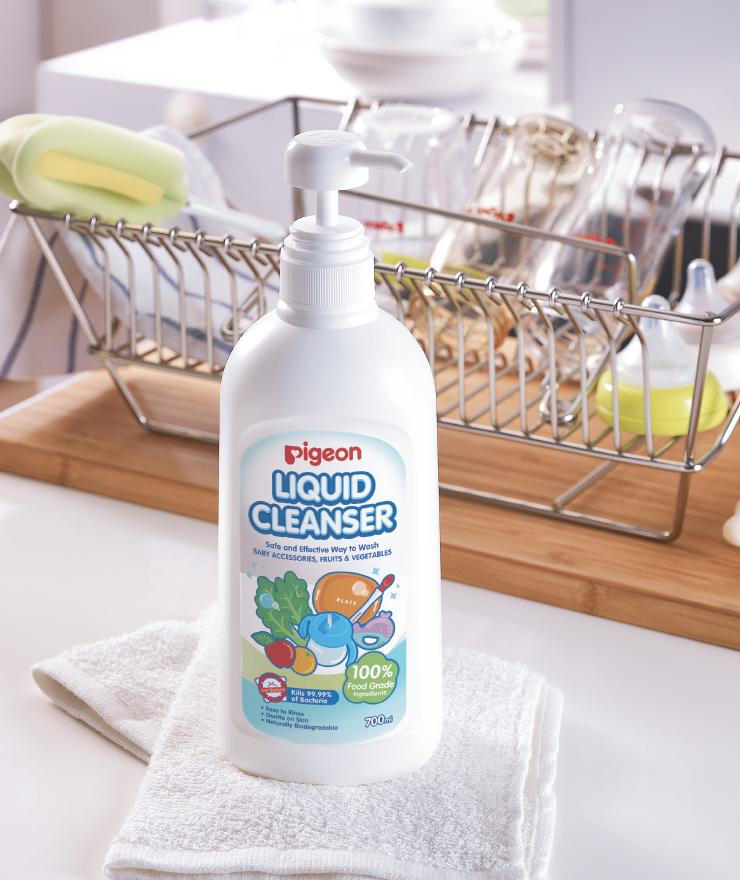
Before and after every single use. Wash with warm water and a baby-safe cleanser such as Pigeon Liquid Cleanser, rinse thoroughly, and inspect for any signs of wear before returning it to your baby. Sterilise regularly using boiling, microwave, or chemical sterilisation methods, and replace the teether at the first sign of damage.