Flexible™ Peristaltic Teat S 2pcs
Flexible™ Peristaltic Teat S 2pcs
Couldn't load pickup availability
Description
Description
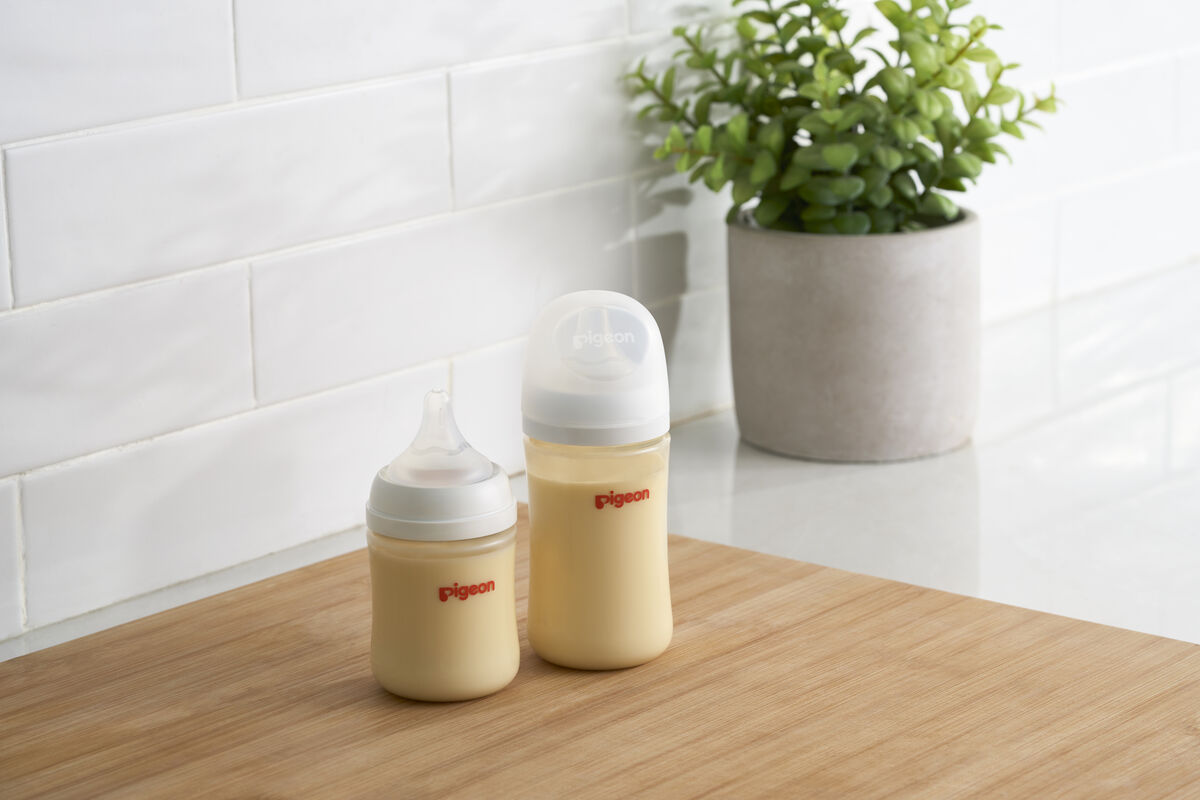
A soft, slim-neck teat designed for easy, comfortable latching.
Made with double-thickness silicone for just the right softness and flexibility, the Flexible Peristaltic Teat supports natural feeding flow.
Its built-in venting system helps reduce swallowed air and minimise colic, keeping feeding time calm and comfy.
BPA & BPS Free
Size S · Round Hole · 0+ months
How to use
How to use
-To assemble, insert the teat into the top of the bottle cap/collar.
-Press down firmly to check teat is secure and even.
-Press to make sure the air ventilation system opens.
-Screw onto the bottle.
Features & Benefits
Features & Benefits
-Slim neck design
-Double-thickness silicone for softness & flexibility
-Unique venting system to reduce swallowed air
-BPA & BPS free
-Size S round hole
Benefits
-Helps baby latch comfortably and easily
-Supports a smoother feeding rhythm
-Reduces gas, colic, and fussiness
-Safe for everyday use from newborn+
Share this product
FAQ's about Flexible™ Peristaltic Teat S 2pcs

Flexible™ Peristaltic Teat S 2pcs Reviews
Recently viewed products
Learn With Pigeon

Baby Shower Gift Ideas: The One Box That’s Got You Covered
Whether you’re a new parent or the aunty with no idea what to buy, the Pigeon Gift Box has it covered. 13 baby essentials in one box, ready to give
Learn more
5 Bottle-Feeding Mistakes Parents Don't Realise They Make
Common bottle-feeding habits with formula, breastmilk or mixed feeds that can affect comfort. Practical, evidence-based fixes for every stage
Learn more
Do Babies Need Oral Care Before Their First Tooth?
Baby teeth might still be a way off, but your baby's oral care routine can start long before that first tooth appears. Here's what actually matters in these early months, and how it sets up healthy habits for later.
Learn more